Where do TikTok Shop return reserve inputs come from?
Last updated: 2026-08-09
Written and reviewed by Seller Profit Guard Editorial Team.
Use matured delivered-order and return records for frequency; return-reason, responsibility, and subsidy evidence for refund and shipping shares; Finance and Ads reporting for nonrefunded costs; Affiliate Center for commission; warehouse records for handling and recovery; and seller policy for target, stress, ownership, and restoration.
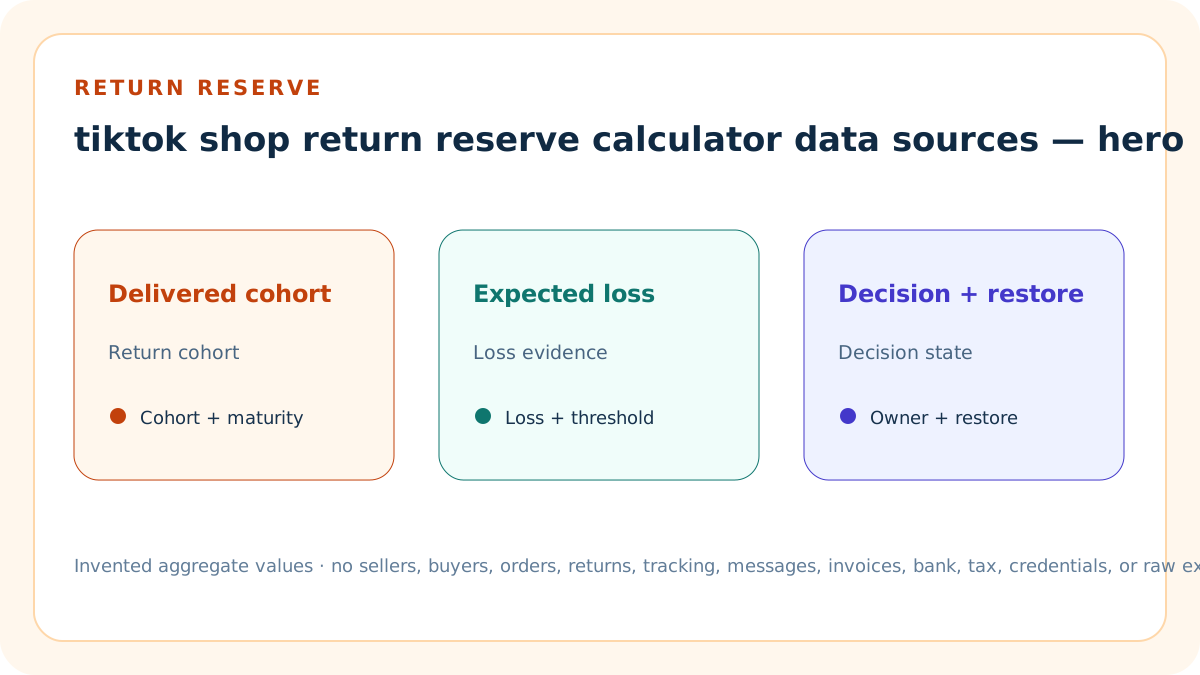
Delivered-order source
Use matured delivered-order and return records for frequency; return-reason, responsibility, and subsidy evidence for refund and shipping shares; Finance and Ads reporting for nonrefunded costs; Affiliate Center for commission; warehouse records for handling and recovery; and seller policy for target, stress, ownership, and restoration. Record source owner, report name, access date, data-through date, cohort maturity, grain, privacy class, and accepted version. Checkpoint 1 in the return reserve source map records market, category, currency, cohort dates, delivered-order denominator, maturation rule, return definition, source, owner, reviewer, and accepted version before the reserve is interpreted.
For delivered-order source, keep return count, base rate, stress rate, customer payment, seller refund share, forward-shipping loss, return-shipping cost and responsibility, handling, product cost and recovery, commission effect, other loss, threshold, conflict, backup, stop rule, and restoration as separate evidence fields.
Return-status source
Use matured delivered-order and return records for frequency; return-reason, responsibility, and subsidy evidence for refund and shipping shares; Finance and Ads reporting for nonrefunded costs; Affiliate Center for commission; warehouse records for handling and recovery; and seller policy for target, stress, ownership, and restoration. Record source owner, report name, access date, data-through date, cohort maturity, grain, privacy class, and accepted version. Checkpoint 2 in the return reserve source map records market, category, currency, cohort dates, delivered-order denominator, maturation rule, return definition, source, owner, reviewer, and accepted version before the reserve is interpreted.
For return-status source, keep return count, base rate, stress rate, customer payment, seller refund share, forward-shipping loss, return-shipping cost and responsibility, handling, product cost and recovery, commission effect, other loss, threshold, conflict, backup, stop rule, and restoration as separate evidence fields.
Return-reason source
Use matured delivered-order and return records for frequency; return-reason, responsibility, and subsidy evidence for refund and shipping shares; Finance and Ads reporting for nonrefunded costs; Affiliate Center for commission; warehouse records for handling and recovery; and seller policy for target, stress, ownership, and restoration. Record source owner, report name, access date, data-through date, cohort maturity, grain, privacy class, and accepted version. Checkpoint 3 in the return reserve source map records market, category, currency, cohort dates, delivered-order denominator, maturation rule, return definition, source, owner, reviewer, and accepted version before the reserve is interpreted.
For return-reason source, keep return count, base rate, stress rate, customer payment, seller refund share, forward-shipping loss, return-shipping cost and responsibility, handling, product cost and recovery, commission effect, other loss, threshold, conflict, backup, stop rule, and restoration as separate evidence fields.
Responsibility source
Use matured delivered-order and return records for frequency; return-reason, responsibility, and subsidy evidence for refund and shipping shares; Finance and Ads reporting for nonrefunded costs; Affiliate Center for commission; warehouse records for handling and recovery; and seller policy for target, stress, ownership, and restoration. Record source owner, report name, access date, data-through date, cohort maturity, grain, privacy class, and accepted version. Checkpoint 4 in the return reserve source map records market, category, currency, cohort dates, delivered-order denominator, maturation rule, return definition, source, owner, reviewer, and accepted version before the reserve is interpreted.
For responsibility source, keep return count, base rate, stress rate, customer payment, seller refund share, forward-shipping loss, return-shipping cost and responsibility, handling, product cost and recovery, commission effect, other loss, threshold, conflict, backup, stop rule, and restoration as separate evidence fields.
Shipping-charge source
Use matured delivered-order and return records for frequency; return-reason, responsibility, and subsidy evidence for refund and shipping shares; Finance and Ads reporting for nonrefunded costs; Affiliate Center for commission; warehouse records for handling and recovery; and seller policy for target, stress, ownership, and restoration. Record source owner, report name, access date, data-through date, cohort maturity, grain, privacy class, and accepted version. Checkpoint 5 in the return reserve source map records market, category, currency, cohort dates, delivered-order denominator, maturation rule, return definition, source, owner, reviewer, and accepted version before the reserve is interpreted.
For shipping-charge source, keep return count, base rate, stress rate, customer payment, seller refund share, forward-shipping loss, return-shipping cost and responsibility, handling, product cost and recovery, commission effect, other loss, threshold, conflict, backup, stop rule, and restoration as separate evidence fields.
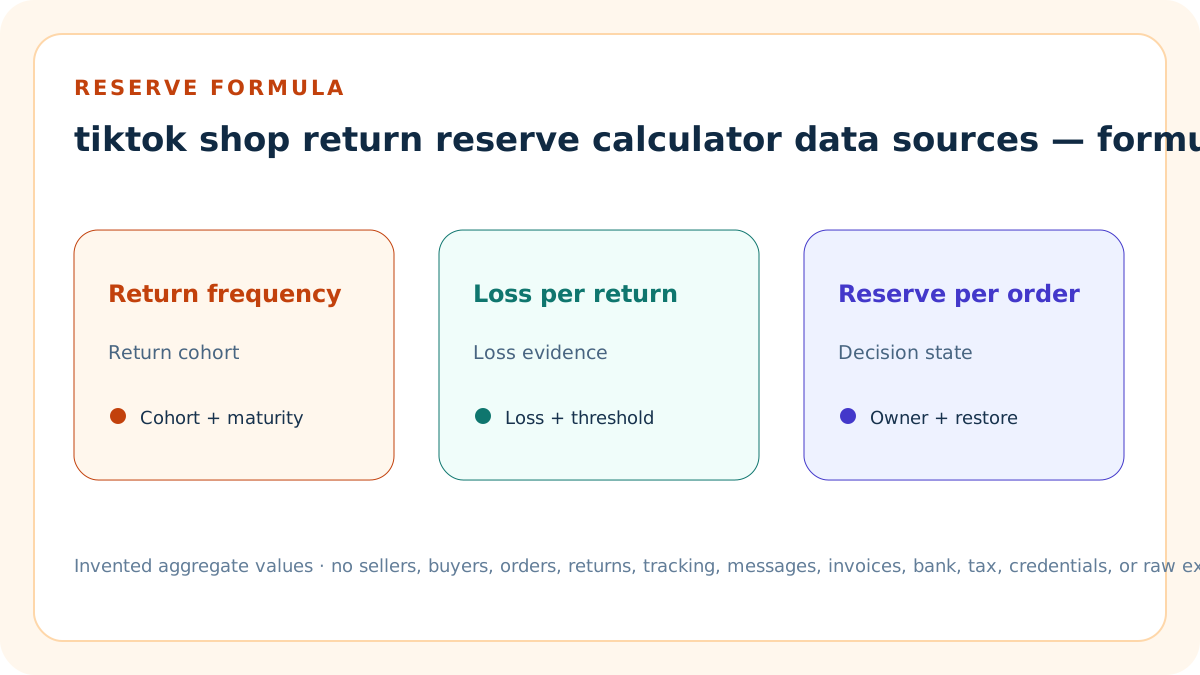
Finance source
Use matured delivered-order and return records for frequency; return-reason, responsibility, and subsidy evidence for refund and shipping shares; Finance and Ads reporting for nonrefunded costs; Affiliate Center for commission; warehouse records for handling and recovery; and seller policy for target, stress, ownership, and restoration. Record source owner, report name, access date, data-through date, cohort maturity, grain, privacy class, and accepted version. Checkpoint 6 in the return reserve source map records market, category, currency, cohort dates, delivered-order denominator, maturation rule, return definition, source, owner, reviewer, and accepted version before the reserve is interpreted.
For finance source, keep return count, base rate, stress rate, customer payment, seller refund share, forward-shipping loss, return-shipping cost and responsibility, handling, product cost and recovery, commission effect, other loss, threshold, conflict, backup, stop rule, and restoration as separate evidence fields.
Affiliate source
Use matured delivered-order and return records for frequency; return-reason, responsibility, and subsidy evidence for refund and shipping shares; Finance and Ads reporting for nonrefunded costs; Affiliate Center for commission; warehouse records for handling and recovery; and seller policy for target, stress, ownership, and restoration. Record source owner, report name, access date, data-through date, cohort maturity, grain, privacy class, and accepted version. Checkpoint 7 in the return reserve source map records market, category, currency, cohort dates, delivered-order denominator, maturation rule, return definition, source, owner, reviewer, and accepted version before the reserve is interpreted.
For affiliate source, keep return count, base rate, stress rate, customer payment, seller refund share, forward-shipping loss, return-shipping cost and responsibility, handling, product cost and recovery, commission effect, other loss, threshold, conflict, backup, stop rule, and restoration as separate evidence fields.
Handling source
Use matured delivered-order and return records for frequency; return-reason, responsibility, and subsidy evidence for refund and shipping shares; Finance and Ads reporting for nonrefunded costs; Affiliate Center for commission; warehouse records for handling and recovery; and seller policy for target, stress, ownership, and restoration. Record source owner, report name, access date, data-through date, cohort maturity, grain, privacy class, and accepted version. Checkpoint 8 in the return reserve source map records market, category, currency, cohort dates, delivered-order denominator, maturation rule, return definition, source, owner, reviewer, and accepted version before the reserve is interpreted.
For handling source, keep return count, base rate, stress rate, customer payment, seller refund share, forward-shipping loss, return-shipping cost and responsibility, handling, product cost and recovery, commission effect, other loss, threshold, conflict, backup, stop rule, and restoration as separate evidence fields.
Recovery source
Use matured delivered-order and return records for frequency; return-reason, responsibility, and subsidy evidence for refund and shipping shares; Finance and Ads reporting for nonrefunded costs; Affiliate Center for commission; warehouse records for handling and recovery; and seller policy for target, stress, ownership, and restoration. Record source owner, report name, access date, data-through date, cohort maturity, grain, privacy class, and accepted version. Checkpoint 9 in the return reserve source map records market, category, currency, cohort dates, delivered-order denominator, maturation rule, return definition, source, owner, reviewer, and accepted version before the reserve is interpreted.
For recovery source, keep return count, base rate, stress rate, customer payment, seller refund share, forward-shipping loss, return-shipping cost and responsibility, handling, product cost and recovery, commission effect, other loss, threshold, conflict, backup, stop rule, and restoration as separate evidence fields.
Owner and restore source
Use matured delivered-order and return records for frequency; return-reason, responsibility, and subsidy evidence for refund and shipping shares; Finance and Ads reporting for nonrefunded costs; Affiliate Center for commission; warehouse records for handling and recovery; and seller policy for target, stress, ownership, and restoration. Record source owner, report name, access date, data-through date, cohort maturity, grain, privacy class, and accepted version. Checkpoint 10 in the return reserve source map records market, category, currency, cohort dates, delivered-order denominator, maturation rule, return definition, source, owner, reviewer, and accepted version before the reserve is interpreted.
For owner and restore source, keep return count, base rate, stress rate, customer payment, seller refund share, forward-shipping loss, return-shipping cost and responsibility, handling, product cost and recovery, commission effect, other loss, threshold, conflict, backup, stop rule, and restoration as separate evidence fields.
Delivered-order source: verification test 1
Create a synthetic counterexample for delivered-order source. Change one field only, retain the prior packet, and show loss per return, expected loss per delivered order, total cohort reserve, stress reserve, reserve headroom, and Block, Review, or Ready effects.
Reconcile the counterexample against the named return report, policy version, delivered-order source, return-reason and responsibility evidence, Finance and Ads records, Affiliate Center record, shipping and handling evidence, recovery ledger, owner, reviewer, backup, stop-rule, and restoration evidence. Never expose seller, buyer, order, tracking, message, invoice, bank, tax, credential, or raw export data.
Return-status source: verification test 2
Create a synthetic counterexample for return-status source. Change one field only, retain the prior packet, and show loss per return, expected loss per delivered order, total cohort reserve, stress reserve, reserve headroom, and Block, Review, or Ready effects.
Reconcile the counterexample against the named return report, policy version, delivered-order source, return-reason and responsibility evidence, Finance and Ads records, Affiliate Center record, shipping and handling evidence, recovery ledger, owner, reviewer, backup, stop-rule, and restoration evidence. Never expose seller, buyer, order, tracking, message, invoice, bank, tax, credential, or raw export data.
Return-reason source: verification test 3
Create a synthetic counterexample for return-reason source. Change one field only, retain the prior packet, and show loss per return, expected loss per delivered order, total cohort reserve, stress reserve, reserve headroom, and Block, Review, or Ready effects.
Reconcile the counterexample against the named return report, policy version, delivered-order source, return-reason and responsibility evidence, Finance and Ads records, Affiliate Center record, shipping and handling evidence, recovery ledger, owner, reviewer, backup, stop-rule, and restoration evidence. Never expose seller, buyer, order, tracking, message, invoice, bank, tax, credential, or raw export data.
Responsibility source: verification test 4
Create a synthetic counterexample for responsibility source. Change one field only, retain the prior packet, and show loss per return, expected loss per delivered order, total cohort reserve, stress reserve, reserve headroom, and Block, Review, or Ready effects.
Reconcile the counterexample against the named return report, policy version, delivered-order source, return-reason and responsibility evidence, Finance and Ads records, Affiliate Center record, shipping and handling evidence, recovery ledger, owner, reviewer, backup, stop-rule, and restoration evidence. Never expose seller, buyer, order, tracking, message, invoice, bank, tax, credential, or raw export data.
Shipping-charge source: verification test 5
Create a synthetic counterexample for shipping-charge source. Change one field only, retain the prior packet, and show loss per return, expected loss per delivered order, total cohort reserve, stress reserve, reserve headroom, and Block, Review, or Ready effects.
Reconcile the counterexample against the named return report, policy version, delivered-order source, return-reason and responsibility evidence, Finance and Ads records, Affiliate Center record, shipping and handling evidence, recovery ledger, owner, reviewer, backup, stop-rule, and restoration evidence. Never expose seller, buyer, order, tracking, message, invoice, bank, tax, credential, or raw export data.
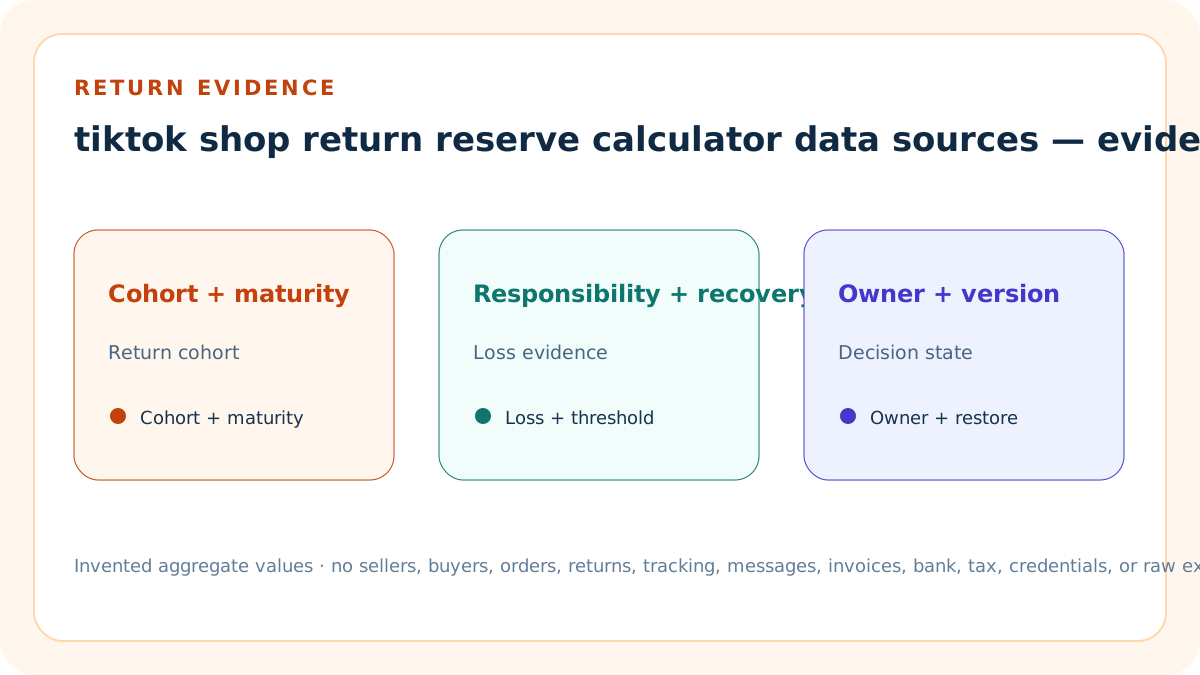
Finance source: verification test 6
Create a synthetic counterexample for finance source. Change one field only, retain the prior packet, and show loss per return, expected loss per delivered order, total cohort reserve, stress reserve, reserve headroom, and Block, Review, or Ready effects.
Reconcile the counterexample against the named return report, policy version, delivered-order source, return-reason and responsibility evidence, Finance and Ads records, Affiliate Center record, shipping and handling evidence, recovery ledger, owner, reviewer, backup, stop-rule, and restoration evidence. Never expose seller, buyer, order, tracking, message, invoice, bank, tax, credential, or raw export data.
Affiliate source: verification test 7
Create a synthetic counterexample for affiliate source. Change one field only, retain the prior packet, and show loss per return, expected loss per delivered order, total cohort reserve, stress reserve, reserve headroom, and Block, Review, or Ready effects.
Reconcile the counterexample against the named return report, policy version, delivered-order source, return-reason and responsibility evidence, Finance and Ads records, Affiliate Center record, shipping and handling evidence, recovery ledger, owner, reviewer, backup, stop-rule, and restoration evidence. Never expose seller, buyer, order, tracking, message, invoice, bank, tax, credential, or raw export data.
Handling source: verification test 8
Create a synthetic counterexample for handling source. Change one field only, retain the prior packet, and show loss per return, expected loss per delivered order, total cohort reserve, stress reserve, reserve headroom, and Block, Review, or Ready effects.
Reconcile the counterexample against the named return report, policy version, delivered-order source, return-reason and responsibility evidence, Finance and Ads records, Affiliate Center record, shipping and handling evidence, recovery ledger, owner, reviewer, backup, stop-rule, and restoration evidence. Never expose seller, buyer, order, tracking, message, invoice, bank, tax, credential, or raw export data.
Recovery source: verification test 9
Create a synthetic counterexample for recovery source. Change one field only, retain the prior packet, and show loss per return, expected loss per delivered order, total cohort reserve, stress reserve, reserve headroom, and Block, Review, or Ready effects.
Reconcile the counterexample against the named return report, policy version, delivered-order source, return-reason and responsibility evidence, Finance and Ads records, Affiliate Center record, shipping and handling evidence, recovery ledger, owner, reviewer, backup, stop-rule, and restoration evidence. Never expose seller, buyer, order, tracking, message, invoice, bank, tax, credential, or raw export data.
Owner and restore source: verification test 10
Create a synthetic counterexample for owner and restore source. Change one field only, retain the prior packet, and show loss per return, expected loss per delivered order, total cohort reserve, stress reserve, reserve headroom, and Block, Review, or Ready effects.
Reconcile the counterexample against the named return report, policy version, delivered-order source, return-reason and responsibility evidence, Finance and Ads records, Affiliate Center record, shipping and handling evidence, recovery ledger, owner, reviewer, backup, stop-rule, and restoration evidence. Never expose seller, buyer, order, tracking, message, invoice, bank, tax, credential, or raw export data.
TikTok Shop Return Reserve Data Sources: evidence exercise 1
Reperform delivered-order source using invented low-return and high-return packets. Hold market, currency, delivered-order count, comparable cohort maturity, and threshold constant, then isolate one declared return-rate, refund-responsibility, forward-shipping, return-shipping, handling, recovery, commission, other-cost, or stress difference.
Stress the selected field one at a time and preserve the old result beside the new result. A calculated reserve cannot certify future return rate, eligibility, seller responsibility, platform subsidy, reimbursement, appeal outcome, Shop Performance Score, settlement, accounting treatment, or authority to change a return rule or customer outcome.
TikTok Shop Return Reserve Data Sources: evidence exercise 2
Reperform return-status source using invented low-return and high-return packets. Hold market, currency, delivered-order count, comparable cohort maturity, and threshold constant, then isolate one declared return-rate, refund-responsibility, forward-shipping, return-shipping, handling, recovery, commission, other-cost, or stress difference.
Stress the selected field one at a time and preserve the old result beside the new result. A calculated reserve cannot certify future return rate, eligibility, seller responsibility, platform subsidy, reimbursement, appeal outcome, Shop Performance Score, settlement, accounting treatment, or authority to change a return rule or customer outcome.
TikTok Shop Return Reserve Data Sources: evidence exercise 3
Reperform return-reason source using invented low-return and high-return packets. Hold market, currency, delivered-order count, comparable cohort maturity, and threshold constant, then isolate one declared return-rate, refund-responsibility, forward-shipping, return-shipping, handling, recovery, commission, other-cost, or stress difference.
Stress the selected field one at a time and preserve the old result beside the new result. A calculated reserve cannot certify future return rate, eligibility, seller responsibility, platform subsidy, reimbursement, appeal outcome, Shop Performance Score, settlement, accounting treatment, or authority to change a return rule or customer outcome.
TikTok Shop Return Reserve Data Sources: evidence exercise 4
Reperform responsibility source using invented low-return and high-return packets. Hold market, currency, delivered-order count, comparable cohort maturity, and threshold constant, then isolate one declared return-rate, refund-responsibility, forward-shipping, return-shipping, handling, recovery, commission, other-cost, or stress difference.
Stress the selected field one at a time and preserve the old result beside the new result. A calculated reserve cannot certify future return rate, eligibility, seller responsibility, platform subsidy, reimbursement, appeal outcome, Shop Performance Score, settlement, accounting treatment, or authority to change a return rule or customer outcome.
TikTok Shop Return Reserve Data Sources: evidence exercise 5
Reperform shipping-charge source using invented low-return and high-return packets. Hold market, currency, delivered-order count, comparable cohort maturity, and threshold constant, then isolate one declared return-rate, refund-responsibility, forward-shipping, return-shipping, handling, recovery, commission, other-cost, or stress difference.
Stress the selected field one at a time and preserve the old result beside the new result. A calculated reserve cannot certify future return rate, eligibility, seller responsibility, platform subsidy, reimbursement, appeal outcome, Shop Performance Score, settlement, accounting treatment, or authority to change a return rule or customer outcome.
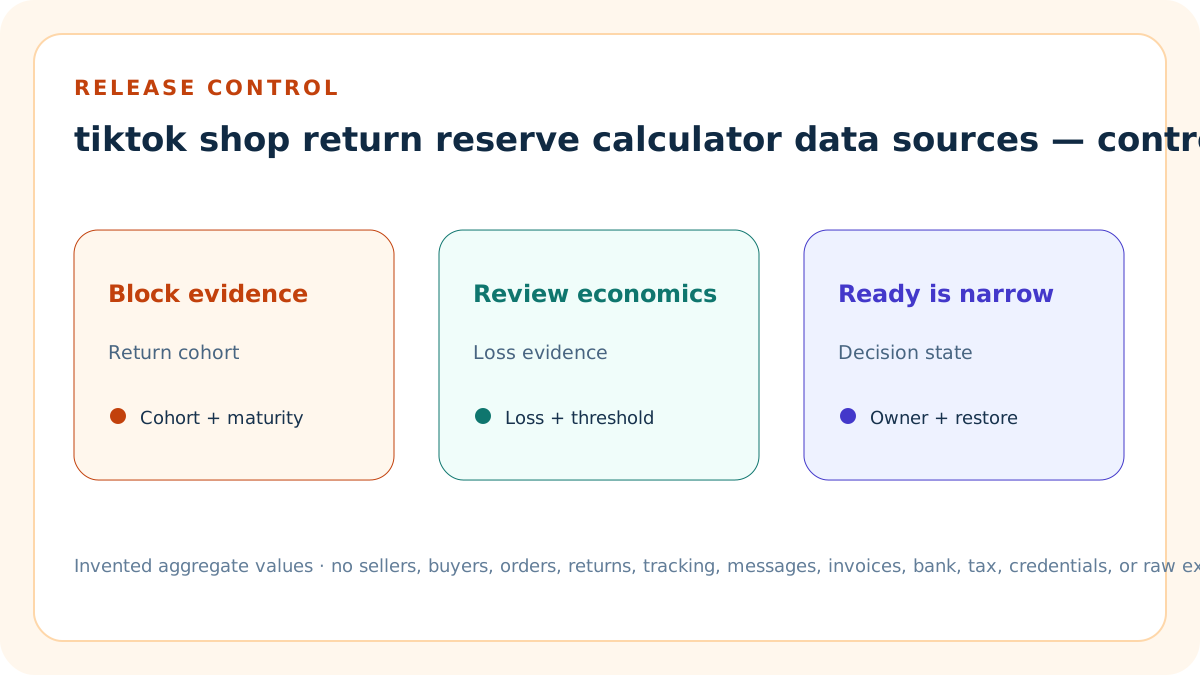
TikTok Shop Return Reserve Data Sources: evidence exercise 6
Reperform finance source using invented low-return and high-return packets. Hold market, currency, delivered-order count, comparable cohort maturity, and threshold constant, then isolate one declared return-rate, refund-responsibility, forward-shipping, return-shipping, handling, recovery, commission, other-cost, or stress difference.
Stress the selected field one at a time and preserve the old result beside the new result. A calculated reserve cannot certify future return rate, eligibility, seller responsibility, platform subsidy, reimbursement, appeal outcome, Shop Performance Score, settlement, accounting treatment, or authority to change a return rule or customer outcome.
TikTok Shop Return Reserve Data Sources: evidence exercise 7
Reperform affiliate source using invented low-return and high-return packets. Hold market, currency, delivered-order count, comparable cohort maturity, and threshold constant, then isolate one declared return-rate, refund-responsibility, forward-shipping, return-shipping, handling, recovery, commission, other-cost, or stress difference.
Stress the selected field one at a time and preserve the old result beside the new result. A calculated reserve cannot certify future return rate, eligibility, seller responsibility, platform subsidy, reimbursement, appeal outcome, Shop Performance Score, settlement, accounting treatment, or authority to change a return rule or customer outcome.
TikTok Shop Return Reserve Data Sources: evidence exercise 8
Reperform handling source using invented low-return and high-return packets. Hold market, currency, delivered-order count, comparable cohort maturity, and threshold constant, then isolate one declared return-rate, refund-responsibility, forward-shipping, return-shipping, handling, recovery, commission, other-cost, or stress difference.
Stress the selected field one at a time and preserve the old result beside the new result. A calculated reserve cannot certify future return rate, eligibility, seller responsibility, platform subsidy, reimbursement, appeal outcome, Shop Performance Score, settlement, accounting treatment, or authority to change a return rule or customer outcome.
TikTok Shop Return Reserve Data Sources: evidence exercise 9
Reperform recovery source using invented low-return and high-return packets. Hold market, currency, delivered-order count, comparable cohort maturity, and threshold constant, then isolate one declared return-rate, refund-responsibility, forward-shipping, return-shipping, handling, recovery, commission, other-cost, or stress difference.
Stress the selected field one at a time and preserve the old result beside the new result. A calculated reserve cannot certify future return rate, eligibility, seller responsibility, platform subsidy, reimbursement, appeal outcome, Shop Performance Score, settlement, accounting treatment, or authority to change a return rule or customer outcome.
TikTok Shop Return Reserve Data Sources: evidence exercise 10
Reperform owner and restore source using invented low-return and high-return packets. Hold market, currency, delivered-order count, comparable cohort maturity, and threshold constant, then isolate one declared return-rate, refund-responsibility, forward-shipping, return-shipping, handling, recovery, commission, other-cost, or stress difference.
Stress the selected field one at a time and preserve the old result beside the new result. A calculated reserve cannot certify future return rate, eligibility, seller responsibility, platform subsidy, reimbursement, appeal outcome, Shop Performance Score, settlement, accounting treatment, or authority to change a return rule or customer outcome.
Responsibility matrix evidence
Capture the applicable market, policy revision, category, returnability, customer-selected reason, fault classification, seller-preferred or platform-preferred logistics, Fulfilled by TikTok status, forward-shipping responsibility, return-shipping responsibility, subsidy, reimbursement, and appeal state.
TikTok's current tables vary by reason and logistics path and may change. A weighted aggregate needs the underlying case mix and review date.
Economic settlement source map
Use protected return records for counts and status, Finance for refunds, fees, advertising and settlement lines, Affiliate Center for estimated and actual commission, logistics records for shipping charges, and warehouse evidence for receipt, inspection, handling, condition, recovery, resale, refurbishment, salvage, and disposal.
Record report name, owner, access date, data-through date, grain, privacy class, accepted version, and unresolved cases. Public examples remain invented and aggregate.
Sources and further reading
- TikTok Shop: Customer Order Cancellation, Return, and Refund Policy: Current official returnability, request, refund-only, forward-shipping, return-shipping, logistics-path, reimbursement, appeal, and responsibility boundaries.
- TikTok Shop: Requirements for Managing Returns, Refunds, and Replacements: Current official handling, response, return receipt, refund, replacement, logistics, and maturity guidance.
- TikTok Shop: Non-Buyer Fault Return and Refund Rate: Current official NBFR seller-or-logistics-fault numerator, delivered-order denominator, exclusions, 60-day window, and Shop Performance Score context.
- TikTok Business Help: Maximize Net Sales: Current official net sales, gross revenue, refunds, and refund-aware advertising-cost boundary.
- TikTok Business Help: Maximize Net Sales Best Practices: Current official Refund GMV, Refunded Ad Cost, Shop ads Commission fee, and Finance evidence guidance.
- TikTok Shop Academy: Referral Fee Updates: Official refund, referral-fee reversal, refund-administration-fee, settlement, and fee evidence boundaries.
- TikTok Shop Academy: Affiliate Commission: Official actual-paid-price, partial-refund, full-refund, settlement, protected-rate, and creator-commission guidance.
- Seller Profit Guard methodology: Evidence, privacy, deterministic calculation, release, monitoring, and restoration controls.
Related Seller Profit Guard tools
- TikTok Shop Return Reserve Calculator: Run the browser-local low-return versus high-return reserve packet.
- TikTok Shop GMV vs Profit Calculator: Carry the accepted reserve into a contribution bridge.
- TikTok Shop Fee Reference Calculator: Reconcile fee and commission effects separately.
- Return Window Loss Calculator: Compare a platform-neutral matured return cohort.
- Methodology: Review evidence, privacy, validation, monitoring, and restoration.
- Data Privacy: Protect seller, buyer, order, return, tracking, message, and raw export data.
- TikTok Shop Return Reserve Formula and Inputs: Define a return reserve per delivered order from matured return rate, refund share, shipping, handling, recovery, commission, other loss, stress, and evidence.
- TikTok Shop Return Reserve: Low-Return Example: Reperform an invented low-return category from delivered orders and matured return count through loss per return, reserve, stress, and decision.
- TikTok Shop Return Reserve: High-Return Example: Model a distinct high-return category with different frequency, shipping responsibility, handling, recovery, commission, stress, and escalation.
- TikTok Shop Return Reserve Calculator Mistakes: Diagnose immature cohorts, wrong denominators, policy-rate hard-coding, subsidy assumptions, duplicate refunds, ignored recovery, and false-precision errors.
- TikTok Shop Return Reserve Decision Threshold: Separate structural Block, base and stress Review, seller-owned maximum reserve, override authority, and narrow Ready decisions.
- Low-Return vs High-Return TikTok Shop Reserve: Compare category packets at one delivered-order grain and isolate return rate, responsibility, shipping, handling, recovery, commission, and stress.
- Weekly TikTok Shop Return Reserve Review: Turn cohort maturation, policy checks, return reasons, shipping responsibility, recoveries, realized loss, exceptions, and restoration into a recurring control.
- Interpret TikTok Shop Return Reserve Without False Precision: Explain what expected loss, loss per return, reserve per order, cohort reserve, stress reserve, and decisions can and cannot establish.
- TikTok Shop Return Reserve Audit Template: Provide a reusable evidence sheet and change log for cohort, maturity, return frequency, loss packet, stress, decision, ownership, and restoration.
Next step: Open Seller Profit Guard.
This is operational planning help, not tax, accounting, legal, financial, or platform-policy advice. Review the Terms and disclaimer, and verify current platform rules and fee assumptions before changing prices.