How do you compare self-fulfillment with third-party fulfillment?
Last updated: 2026-08-09
Written and reviewed by Seller Profit Guard Editorial Team.
Use the same mature retained orders, retained revenue, product mix, zones, package profile, service level, currency, and return window. For each option, add pick-pack, packaging, shipping, storage, software, minimums, receiving, returns, and other documented costs; subtract product and fulfillment cost from retained revenue; then review contribution and practical capacity.
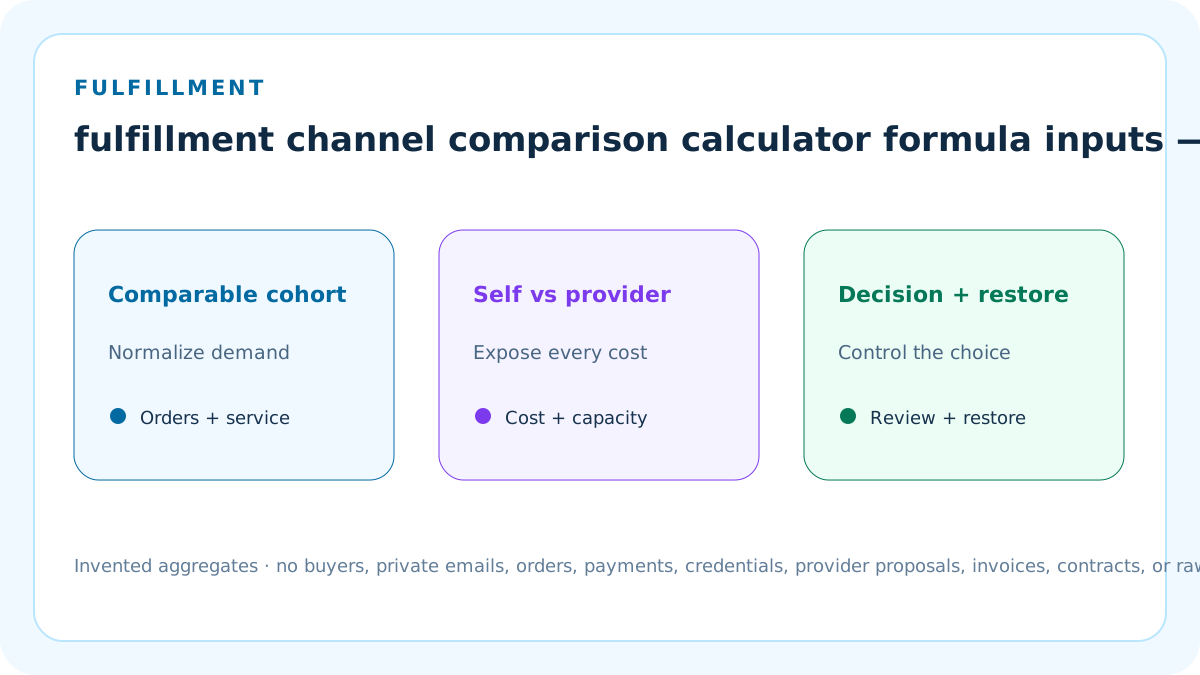
Close the cohort
Use the same mature retained orders, retained revenue, product mix, zones, package profile, service level, currency, and return window. For each option, add pick-pack, packaging, shipping, storage, software, minimums, receiving, returns, and other documented costs; subtract product and fulfillment cost from retained revenue; then review contribution and practical capacity. Keep economic, capacity, evidence, and operational definitions separate before comparison. Checkpoint 1 in the fulfillment formula ledger records currency, product mix, destination zones, package profile, service level, retained-order denominator, return maturity, forecast, source version, owner, reviewer, and accepted formula before interpretation.
For close the cohort, keep retained revenue, product cost, observed seller time or provider charge, packaging, carrier shipping, storage, software, minimums, receiving, returns, other costs, total fulfillment cost, contribution, forecast, capacity, threshold, conflict, backup, stop rule, and restoration separate.
Use invented or approved aggregates only. Exclude private emails, buyer identities, addresses, order rows, payment details, bank records, credentials, confidential provider proposals, invoices, contract documents, and raw exports from the public fulfillment formula ledger.
Define retained orders
Use the same mature retained orders, retained revenue, product mix, zones, package profile, service level, currency, and return window. For each option, add pick-pack, packaging, shipping, storage, software, minimums, receiving, returns, and other documented costs; subtract product and fulfillment cost from retained revenue; then review contribution and practical capacity. Keep economic, capacity, evidence, and operational definitions separate before comparison. Checkpoint 2 in the fulfillment formula ledger records currency, product mix, destination zones, package profile, service level, retained-order denominator, return maturity, forecast, source version, owner, reviewer, and accepted formula before interpretation.
For define retained orders, keep retained revenue, product cost, observed seller time or provider charge, packaging, carrier shipping, storage, software, minimums, receiving, returns, other costs, total fulfillment cost, contribution, forecast, capacity, threshold, conflict, backup, stop rule, and restoration separate.
Use invented or approved aggregates only. Exclude private emails, buyer identities, addresses, order rows, payment details, bank records, credentials, confidential provider proposals, invoices, contract documents, and raw exports from the public fulfillment formula ledger.
Define retained revenue
Use the same mature retained orders, retained revenue, product mix, zones, package profile, service level, currency, and return window. For each option, add pick-pack, packaging, shipping, storage, software, minimums, receiving, returns, and other documented costs; subtract product and fulfillment cost from retained revenue; then review contribution and practical capacity. Keep economic, capacity, evidence, and operational definitions separate before comparison. Checkpoint 3 in the fulfillment formula ledger records currency, product mix, destination zones, package profile, service level, retained-order denominator, return maturity, forecast, source version, owner, reviewer, and accepted formula before interpretation.
For define retained revenue, keep retained revenue, product cost, observed seller time or provider charge, packaging, carrier shipping, storage, software, minimums, receiving, returns, other costs, total fulfillment cost, contribution, forecast, capacity, threshold, conflict, backup, stop rule, and restoration separate.
Use invented or approved aggregates only. Exclude private emails, buyer identities, addresses, order rows, payment details, bank records, credentials, confidential provider proposals, invoices, contract documents, and raw exports from the public fulfillment formula ledger.
Record product cost
Use the same mature retained orders, retained revenue, product mix, zones, package profile, service level, currency, and return window. For each option, add pick-pack, packaging, shipping, storage, software, minimums, receiving, returns, and other documented costs; subtract product and fulfillment cost from retained revenue; then review contribution and practical capacity. Keep economic, capacity, evidence, and operational definitions separate before comparison. Checkpoint 4 in the fulfillment formula ledger records currency, product mix, destination zones, package profile, service level, retained-order denominator, return maturity, forecast, source version, owner, reviewer, and accepted formula before interpretation.
For record product cost, keep retained revenue, product cost, observed seller time or provider charge, packaging, carrier shipping, storage, software, minimums, receiving, returns, other costs, total fulfillment cost, contribution, forecast, capacity, threshold, conflict, backup, stop rule, and restoration separate.
Use invented or approved aggregates only. Exclude private emails, buyer identities, addresses, order rows, payment details, bank records, credentials, confidential provider proposals, invoices, contract documents, and raw exports from the public fulfillment formula ledger.
Value labor or pick-pack
Use the same mature retained orders, retained revenue, product mix, zones, package profile, service level, currency, and return window. For each option, add pick-pack, packaging, shipping, storage, software, minimums, receiving, returns, and other documented costs; subtract product and fulfillment cost from retained revenue; then review contribution and practical capacity. Keep economic, capacity, evidence, and operational definitions separate before comparison. Checkpoint 5 in the fulfillment formula ledger records currency, product mix, destination zones, package profile, service level, retained-order denominator, return maturity, forecast, source version, owner, reviewer, and accepted formula before interpretation.
For value labor or pick-pack, keep retained revenue, product cost, observed seller time or provider charge, packaging, carrier shipping, storage, software, minimums, receiving, returns, other costs, total fulfillment cost, contribution, forecast, capacity, threshold, conflict, backup, stop rule, and restoration separate.
Use invented or approved aggregates only. Exclude private emails, buyer identities, addresses, order rows, payment details, bank records, credentials, confidential provider proposals, invoices, contract documents, and raw exports from the public fulfillment formula ledger.
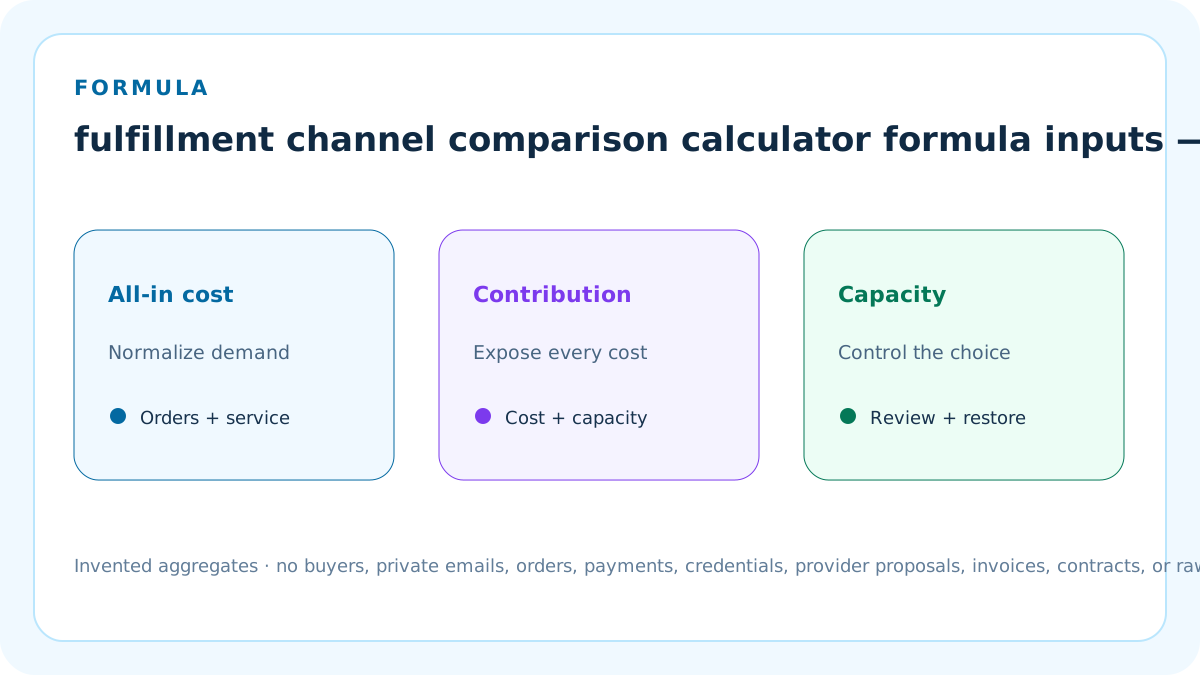
Record packaging and shipping
Use the same mature retained orders, retained revenue, product mix, zones, package profile, service level, currency, and return window. For each option, add pick-pack, packaging, shipping, storage, software, minimums, receiving, returns, and other documented costs; subtract product and fulfillment cost from retained revenue; then review contribution and practical capacity. Keep economic, capacity, evidence, and operational definitions separate before comparison. Checkpoint 6 in the fulfillment formula ledger records currency, product mix, destination zones, package profile, service level, retained-order denominator, return maturity, forecast, source version, owner, reviewer, and accepted formula before interpretation.
For record packaging and shipping, keep retained revenue, product cost, observed seller time or provider charge, packaging, carrier shipping, storage, software, minimums, receiving, returns, other costs, total fulfillment cost, contribution, forecast, capacity, threshold, conflict, backup, stop rule, and restoration separate.
Use invented or approved aggregates only. Exclude private emails, buyer identities, addresses, order rows, payment details, bank records, credentials, confidential provider proposals, invoices, contract documents, and raw exports from the public fulfillment formula ledger.
Record storage and software
Use the same mature retained orders, retained revenue, product mix, zones, package profile, service level, currency, and return window. For each option, add pick-pack, packaging, shipping, storage, software, minimums, receiving, returns, and other documented costs; subtract product and fulfillment cost from retained revenue; then review contribution and practical capacity. Keep economic, capacity, evidence, and operational definitions separate before comparison. Checkpoint 7 in the fulfillment formula ledger records currency, product mix, destination zones, package profile, service level, retained-order denominator, return maturity, forecast, source version, owner, reviewer, and accepted formula before interpretation.
For record storage and software, keep retained revenue, product cost, observed seller time or provider charge, packaging, carrier shipping, storage, software, minimums, receiving, returns, other costs, total fulfillment cost, contribution, forecast, capacity, threshold, conflict, backup, stop rule, and restoration separate.
Use invented or approved aggregates only. Exclude private emails, buyer identities, addresses, order rows, payment details, bank records, credentials, confidential provider proposals, invoices, contract documents, and raw exports from the public fulfillment formula ledger.
Record minimums and returns
Use the same mature retained orders, retained revenue, product mix, zones, package profile, service level, currency, and return window. For each option, add pick-pack, packaging, shipping, storage, software, minimums, receiving, returns, and other documented costs; subtract product and fulfillment cost from retained revenue; then review contribution and practical capacity. Keep economic, capacity, evidence, and operational definitions separate before comparison. Checkpoint 8 in the fulfillment formula ledger records currency, product mix, destination zones, package profile, service level, retained-order denominator, return maturity, forecast, source version, owner, reviewer, and accepted formula before interpretation.
For record minimums and returns, keep retained revenue, product cost, observed seller time or provider charge, packaging, carrier shipping, storage, software, minimums, receiving, returns, other costs, total fulfillment cost, contribution, forecast, capacity, threshold, conflict, backup, stop rule, and restoration separate.
Use invented or approved aggregates only. Exclude private emails, buyer identities, addresses, order rows, payment details, bank records, credentials, confidential provider proposals, invoices, contract documents, and raw exports from the public fulfillment formula ledger.
Calculate contribution
Use the same mature retained orders, retained revenue, product mix, zones, package profile, service level, currency, and return window. For each option, add pick-pack, packaging, shipping, storage, software, minimums, receiving, returns, and other documented costs; subtract product and fulfillment cost from retained revenue; then review contribution and practical capacity. Keep economic, capacity, evidence, and operational definitions separate before comparison. Checkpoint 9 in the fulfillment formula ledger records currency, product mix, destination zones, package profile, service level, retained-order denominator, return maturity, forecast, source version, owner, reviewer, and accepted formula before interpretation.
For calculate contribution, keep retained revenue, product cost, observed seller time or provider charge, packaging, carrier shipping, storage, software, minimums, receiving, returns, other costs, total fulfillment cost, contribution, forecast, capacity, threshold, conflict, backup, stop rule, and restoration separate.
Use invented or approved aggregates only. Exclude private emails, buyer identities, addresses, order rows, payment details, bank records, credentials, confidential provider proposals, invoices, contract documents, and raw exports from the public fulfillment formula ledger.
Measure capacity
Use the same mature retained orders, retained revenue, product mix, zones, package profile, service level, currency, and return window. For each option, add pick-pack, packaging, shipping, storage, software, minimums, receiving, returns, and other documented costs; subtract product and fulfillment cost from retained revenue; then review contribution and practical capacity. Keep economic, capacity, evidence, and operational definitions separate before comparison. Checkpoint 10 in the fulfillment formula ledger records currency, product mix, destination zones, package profile, service level, retained-order denominator, return maturity, forecast, source version, owner, reviewer, and accepted formula before interpretation.
For measure capacity, keep retained revenue, product cost, observed seller time or provider charge, packaging, carrier shipping, storage, software, minimums, receiving, returns, other costs, total fulfillment cost, contribution, forecast, capacity, threshold, conflict, backup, stop rule, and restoration separate.
Use invented or approved aggregates only. Exclude private emails, buyer identities, addresses, order rows, payment details, bank records, credentials, confidential provider proposals, invoices, contract documents, and raw exports from the public fulfillment formula ledger.
Close the cohort: verification test 1
Create one synthetic counterexample for close the cohort. Change one volume, revenue, labor, rate, package, shipping, storage, minimum, return, receiving, other-cost, forecast, capacity, threshold, or evidence field; retain the prior packet; and show fulfillment cost, contribution, contribution per retained order, utilization, and Block, Review, or Ready effect.
Reconcile the counterexample against first-party order and refund aggregates, time study, labor rate, packaging record, carrier invoice, space allocation, software bill, provider rate card or quote, receiving and return record, service and contract terms, source version, owner, reviewer, protected baseline, stop trigger, and restored result.
Explain why the test does not prove delivery performance, accuracy, damage rate, customer experience, inventory control, provider suitability, outsourcing savings, demand, conversion, contract protection, accounting treatment, tax outcome, legal compliance, insurance coverage, or migration success.
Define retained orders: verification test 2
Create one synthetic counterexample for define retained orders. Change one volume, revenue, labor, rate, package, shipping, storage, minimum, return, receiving, other-cost, forecast, capacity, threshold, or evidence field; retain the prior packet; and show fulfillment cost, contribution, contribution per retained order, utilization, and Block, Review, or Ready effect.
Reconcile the counterexample against first-party order and refund aggregates, time study, labor rate, packaging record, carrier invoice, space allocation, software bill, provider rate card or quote, receiving and return record, service and contract terms, source version, owner, reviewer, protected baseline, stop trigger, and restored result.
Explain why the test does not prove delivery performance, accuracy, damage rate, customer experience, inventory control, provider suitability, outsourcing savings, demand, conversion, contract protection, accounting treatment, tax outcome, legal compliance, insurance coverage, or migration success.
Define retained revenue: verification test 3
Create one synthetic counterexample for define retained revenue. Change one volume, revenue, labor, rate, package, shipping, storage, minimum, return, receiving, other-cost, forecast, capacity, threshold, or evidence field; retain the prior packet; and show fulfillment cost, contribution, contribution per retained order, utilization, and Block, Review, or Ready effect.
Reconcile the counterexample against first-party order and refund aggregates, time study, labor rate, packaging record, carrier invoice, space allocation, software bill, provider rate card or quote, receiving and return record, service and contract terms, source version, owner, reviewer, protected baseline, stop trigger, and restored result.
Explain why the test does not prove delivery performance, accuracy, damage rate, customer experience, inventory control, provider suitability, outsourcing savings, demand, conversion, contract protection, accounting treatment, tax outcome, legal compliance, insurance coverage, or migration success.
Record product cost: verification test 4
Create one synthetic counterexample for record product cost. Change one volume, revenue, labor, rate, package, shipping, storage, minimum, return, receiving, other-cost, forecast, capacity, threshold, or evidence field; retain the prior packet; and show fulfillment cost, contribution, contribution per retained order, utilization, and Block, Review, or Ready effect.
Reconcile the counterexample against first-party order and refund aggregates, time study, labor rate, packaging record, carrier invoice, space allocation, software bill, provider rate card or quote, receiving and return record, service and contract terms, source version, owner, reviewer, protected baseline, stop trigger, and restored result.
Explain why the test does not prove delivery performance, accuracy, damage rate, customer experience, inventory control, provider suitability, outsourcing savings, demand, conversion, contract protection, accounting treatment, tax outcome, legal compliance, insurance coverage, or migration success.
Value labor or pick-pack: verification test 5
Create one synthetic counterexample for value labor or pick-pack. Change one volume, revenue, labor, rate, package, shipping, storage, minimum, return, receiving, other-cost, forecast, capacity, threshold, or evidence field; retain the prior packet; and show fulfillment cost, contribution, contribution per retained order, utilization, and Block, Review, or Ready effect.
Reconcile the counterexample against first-party order and refund aggregates, time study, labor rate, packaging record, carrier invoice, space allocation, software bill, provider rate card or quote, receiving and return record, service and contract terms, source version, owner, reviewer, protected baseline, stop trigger, and restored result.
Explain why the test does not prove delivery performance, accuracy, damage rate, customer experience, inventory control, provider suitability, outsourcing savings, demand, conversion, contract protection, accounting treatment, tax outcome, legal compliance, insurance coverage, or migration success.
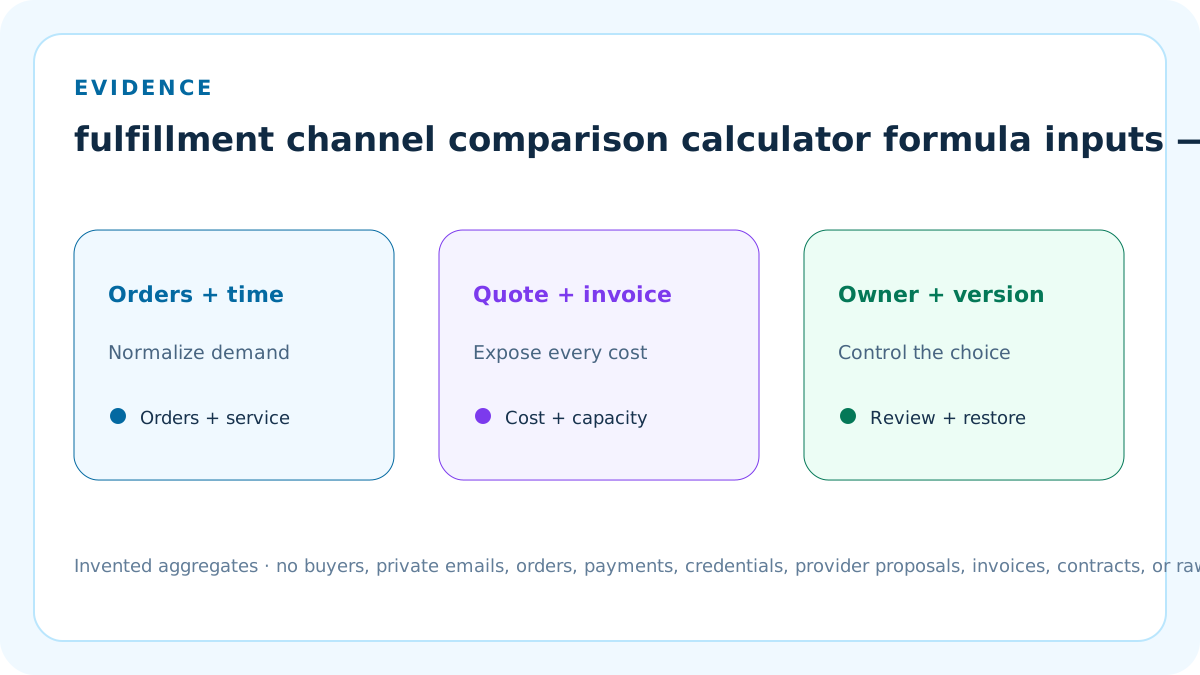
Record packaging and shipping: verification test 6
Create one synthetic counterexample for record packaging and shipping. Change one volume, revenue, labor, rate, package, shipping, storage, minimum, return, receiving, other-cost, forecast, capacity, threshold, or evidence field; retain the prior packet; and show fulfillment cost, contribution, contribution per retained order, utilization, and Block, Review, or Ready effect.
Reconcile the counterexample against first-party order and refund aggregates, time study, labor rate, packaging record, carrier invoice, space allocation, software bill, provider rate card or quote, receiving and return record, service and contract terms, source version, owner, reviewer, protected baseline, stop trigger, and restored result.
Explain why the test does not prove delivery performance, accuracy, damage rate, customer experience, inventory control, provider suitability, outsourcing savings, demand, conversion, contract protection, accounting treatment, tax outcome, legal compliance, insurance coverage, or migration success.
Record storage and software: verification test 7
Create one synthetic counterexample for record storage and software. Change one volume, revenue, labor, rate, package, shipping, storage, minimum, return, receiving, other-cost, forecast, capacity, threshold, or evidence field; retain the prior packet; and show fulfillment cost, contribution, contribution per retained order, utilization, and Block, Review, or Ready effect.
Reconcile the counterexample against first-party order and refund aggregates, time study, labor rate, packaging record, carrier invoice, space allocation, software bill, provider rate card or quote, receiving and return record, service and contract terms, source version, owner, reviewer, protected baseline, stop trigger, and restored result.
Explain why the test does not prove delivery performance, accuracy, damage rate, customer experience, inventory control, provider suitability, outsourcing savings, demand, conversion, contract protection, accounting treatment, tax outcome, legal compliance, insurance coverage, or migration success.
Record minimums and returns: verification test 8
Create one synthetic counterexample for record minimums and returns. Change one volume, revenue, labor, rate, package, shipping, storage, minimum, return, receiving, other-cost, forecast, capacity, threshold, or evidence field; retain the prior packet; and show fulfillment cost, contribution, contribution per retained order, utilization, and Block, Review, or Ready effect.
Reconcile the counterexample against first-party order and refund aggregates, time study, labor rate, packaging record, carrier invoice, space allocation, software bill, provider rate card or quote, receiving and return record, service and contract terms, source version, owner, reviewer, protected baseline, stop trigger, and restored result.
Explain why the test does not prove delivery performance, accuracy, damage rate, customer experience, inventory control, provider suitability, outsourcing savings, demand, conversion, contract protection, accounting treatment, tax outcome, legal compliance, insurance coverage, or migration success.
Calculate contribution: verification test 9
Create one synthetic counterexample for calculate contribution. Change one volume, revenue, labor, rate, package, shipping, storage, minimum, return, receiving, other-cost, forecast, capacity, threshold, or evidence field; retain the prior packet; and show fulfillment cost, contribution, contribution per retained order, utilization, and Block, Review, or Ready effect.
Reconcile the counterexample against first-party order and refund aggregates, time study, labor rate, packaging record, carrier invoice, space allocation, software bill, provider rate card or quote, receiving and return record, service and contract terms, source version, owner, reviewer, protected baseline, stop trigger, and restored result.
Explain why the test does not prove delivery performance, accuracy, damage rate, customer experience, inventory control, provider suitability, outsourcing savings, demand, conversion, contract protection, accounting treatment, tax outcome, legal compliance, insurance coverage, or migration success.
Measure capacity: verification test 10
Create one synthetic counterexample for measure capacity. Change one volume, revenue, labor, rate, package, shipping, storage, minimum, return, receiving, other-cost, forecast, capacity, threshold, or evidence field; retain the prior packet; and show fulfillment cost, contribution, contribution per retained order, utilization, and Block, Review, or Ready effect.
Reconcile the counterexample against first-party order and refund aggregates, time study, labor rate, packaging record, carrier invoice, space allocation, software bill, provider rate card or quote, receiving and return record, service and contract terms, source version, owner, reviewer, protected baseline, stop trigger, and restored result.
Explain why the test does not prove delivery performance, accuracy, damage rate, customer experience, inventory control, provider suitability, outsourcing savings, demand, conversion, contract protection, accounting treatment, tax outcome, legal compliance, insurance coverage, or migration success.
Fulfillment Channel Comparison Formula and Inputs: evidence exercise 1
Reperform close the cohort with invented self-fulfillment and third-party packets. Hold product mix, destination zones, package profile, service level, currency, retained revenue, product cost, return maturity, forecast period, and denominator constant where a pure fulfillment comparison requires them.
Archive the accepted packet before varying the field. Explain total fulfillment cost, cost per retained order, contribution, contribution per retained order, capacity utilization, absolute difference, decision, sensitivity driver, monitoring trigger, authorized-owner boundary, stop condition, and restoration path.
The exercise remains educational and source-linked. It does not quote a provider, approve a contract, recommend outsourcing, change order routing, move inventory, guarantee service, predict savings, access private records, or replace operational, employment, legal, tax, accounting, insurance, carrier, provider, marketplace, or qualified-professional review.
Fulfillment Channel Comparison Formula and Inputs: evidence exercise 2
Reperform define retained orders with invented self-fulfillment and third-party packets. Hold product mix, destination zones, package profile, service level, currency, retained revenue, product cost, return maturity, forecast period, and denominator constant where a pure fulfillment comparison requires them.
Archive the accepted packet before varying the field. Explain total fulfillment cost, cost per retained order, contribution, contribution per retained order, capacity utilization, absolute difference, decision, sensitivity driver, monitoring trigger, authorized-owner boundary, stop condition, and restoration path.
The exercise remains educational and source-linked. It does not quote a provider, approve a contract, recommend outsourcing, change order routing, move inventory, guarantee service, predict savings, access private records, or replace operational, employment, legal, tax, accounting, insurance, carrier, provider, marketplace, or qualified-professional review.
Fulfillment Channel Comparison Formula and Inputs: evidence exercise 3
Reperform define retained revenue with invented self-fulfillment and third-party packets. Hold product mix, destination zones, package profile, service level, currency, retained revenue, product cost, return maturity, forecast period, and denominator constant where a pure fulfillment comparison requires them.
Archive the accepted packet before varying the field. Explain total fulfillment cost, cost per retained order, contribution, contribution per retained order, capacity utilization, absolute difference, decision, sensitivity driver, monitoring trigger, authorized-owner boundary, stop condition, and restoration path.
The exercise remains educational and source-linked. It does not quote a provider, approve a contract, recommend outsourcing, change order routing, move inventory, guarantee service, predict savings, access private records, or replace operational, employment, legal, tax, accounting, insurance, carrier, provider, marketplace, or qualified-professional review.
Fulfillment Channel Comparison Formula and Inputs: evidence exercise 4
Reperform record product cost with invented self-fulfillment and third-party packets. Hold product mix, destination zones, package profile, service level, currency, retained revenue, product cost, return maturity, forecast period, and denominator constant where a pure fulfillment comparison requires them.
Archive the accepted packet before varying the field. Explain total fulfillment cost, cost per retained order, contribution, contribution per retained order, capacity utilization, absolute difference, decision, sensitivity driver, monitoring trigger, authorized-owner boundary, stop condition, and restoration path.
The exercise remains educational and source-linked. It does not quote a provider, approve a contract, recommend outsourcing, change order routing, move inventory, guarantee service, predict savings, access private records, or replace operational, employment, legal, tax, accounting, insurance, carrier, provider, marketplace, or qualified-professional review.
Fulfillment Channel Comparison Formula and Inputs: evidence exercise 5
Reperform value labor or pick-pack with invented self-fulfillment and third-party packets. Hold product mix, destination zones, package profile, service level, currency, retained revenue, product cost, return maturity, forecast period, and denominator constant where a pure fulfillment comparison requires them.
Archive the accepted packet before varying the field. Explain total fulfillment cost, cost per retained order, contribution, contribution per retained order, capacity utilization, absolute difference, decision, sensitivity driver, monitoring trigger, authorized-owner boundary, stop condition, and restoration path.
The exercise remains educational and source-linked. It does not quote a provider, approve a contract, recommend outsourcing, change order routing, move inventory, guarantee service, predict savings, access private records, or replace operational, employment, legal, tax, accounting, insurance, carrier, provider, marketplace, or qualified-professional review.
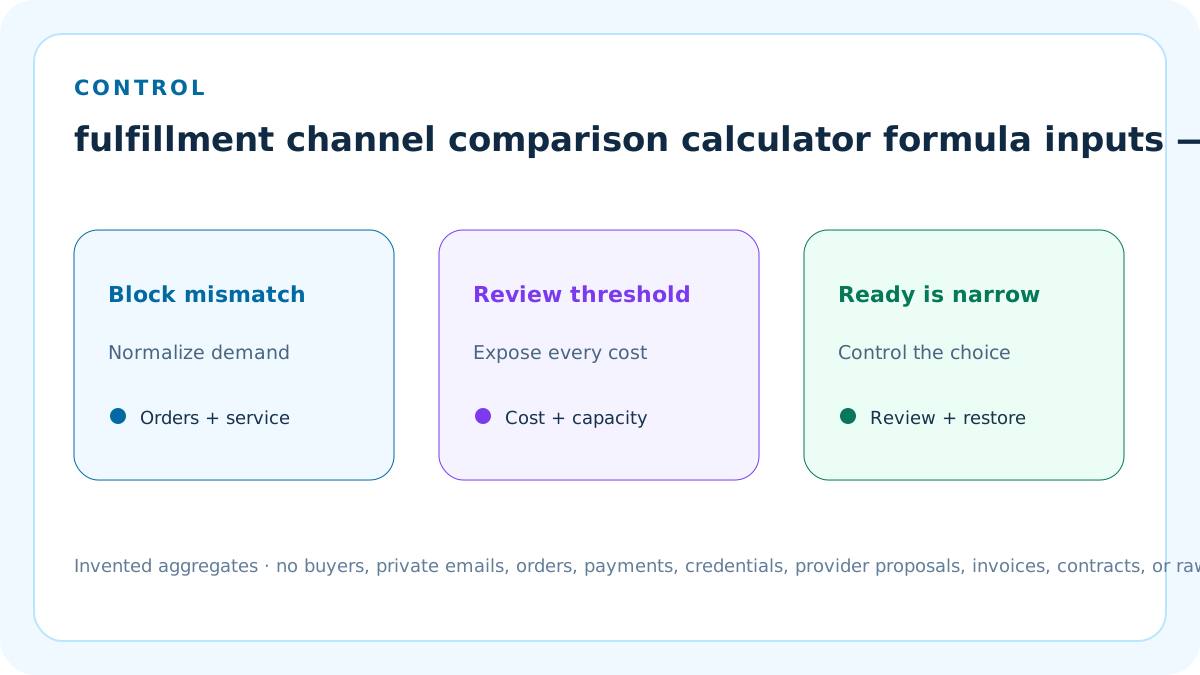
Fulfillment Channel Comparison Formula and Inputs: evidence exercise 6
Reperform record packaging and shipping with invented self-fulfillment and third-party packets. Hold product mix, destination zones, package profile, service level, currency, retained revenue, product cost, return maturity, forecast period, and denominator constant where a pure fulfillment comparison requires them.
Archive the accepted packet before varying the field. Explain total fulfillment cost, cost per retained order, contribution, contribution per retained order, capacity utilization, absolute difference, decision, sensitivity driver, monitoring trigger, authorized-owner boundary, stop condition, and restoration path.
The exercise remains educational and source-linked. It does not quote a provider, approve a contract, recommend outsourcing, change order routing, move inventory, guarantee service, predict savings, access private records, or replace operational, employment, legal, tax, accounting, insurance, carrier, provider, marketplace, or qualified-professional review.
Fulfillment Channel Comparison Formula and Inputs: evidence exercise 7
Reperform record storage and software with invented self-fulfillment and third-party packets. Hold product mix, destination zones, package profile, service level, currency, retained revenue, product cost, return maturity, forecast period, and denominator constant where a pure fulfillment comparison requires them.
Archive the accepted packet before varying the field. Explain total fulfillment cost, cost per retained order, contribution, contribution per retained order, capacity utilization, absolute difference, decision, sensitivity driver, monitoring trigger, authorized-owner boundary, stop condition, and restoration path.
The exercise remains educational and source-linked. It does not quote a provider, approve a contract, recommend outsourcing, change order routing, move inventory, guarantee service, predict savings, access private records, or replace operational, employment, legal, tax, accounting, insurance, carrier, provider, marketplace, or qualified-professional review.
Fulfillment Channel Comparison Formula and Inputs: evidence exercise 8
Reperform record minimums and returns with invented self-fulfillment and third-party packets. Hold product mix, destination zones, package profile, service level, currency, retained revenue, product cost, return maturity, forecast period, and denominator constant where a pure fulfillment comparison requires them.
Archive the accepted packet before varying the field. Explain total fulfillment cost, cost per retained order, contribution, contribution per retained order, capacity utilization, absolute difference, decision, sensitivity driver, monitoring trigger, authorized-owner boundary, stop condition, and restoration path.
The exercise remains educational and source-linked. It does not quote a provider, approve a contract, recommend outsourcing, change order routing, move inventory, guarantee service, predict savings, access private records, or replace operational, employment, legal, tax, accounting, insurance, carrier, provider, marketplace, or qualified-professional review.
Fulfillment Channel Comparison Formula and Inputs: evidence exercise 9
Reperform calculate contribution with invented self-fulfillment and third-party packets. Hold product mix, destination zones, package profile, service level, currency, retained revenue, product cost, return maturity, forecast period, and denominator constant where a pure fulfillment comparison requires them.
Archive the accepted packet before varying the field. Explain total fulfillment cost, cost per retained order, contribution, contribution per retained order, capacity utilization, absolute difference, decision, sensitivity driver, monitoring trigger, authorized-owner boundary, stop condition, and restoration path.
The exercise remains educational and source-linked. It does not quote a provider, approve a contract, recommend outsourcing, change order routing, move inventory, guarantee service, predict savings, access private records, or replace operational, employment, legal, tax, accounting, insurance, carrier, provider, marketplace, or qualified-professional review.
Fulfillment Channel Comparison Formula and Inputs: evidence exercise 10
Reperform measure capacity with invented self-fulfillment and third-party packets. Hold product mix, destination zones, package profile, service level, currency, retained revenue, product cost, return maturity, forecast period, and denominator constant where a pure fulfillment comparison requires them.
Archive the accepted packet before varying the field. Explain total fulfillment cost, cost per retained order, contribution, contribution per retained order, capacity utilization, absolute difference, decision, sensitivity driver, monitoring trigger, authorized-owner boundary, stop condition, and restoration path.
The exercise remains educational and source-linked. It does not quote a provider, approve a contract, recommend outsourcing, change order routing, move inventory, guarantee service, predict savings, access private records, or replace operational, employment, legal, tax, accounting, insurance, carrier, provider, marketplace, or qualified-professional review.
Sources and further reading
- Shopify Help: inventory across locations and apps: Official inventory, location, routing, capacity, and fulfillment-app context.
- Shopify Help: fulfillment and shipping features: Official self-fulfillment, shipping, locations, returns, and fulfillment-service boundaries.
- Amazon Multi-Channel Fulfillment pricing: Official pick-pack-ship, size, weight, speed, storage, surcharge, and rate-card context.
- Amazon MCF service terms: Official storage-limit, return, disposal, payment, suspension, and service-term boundaries.
- Seller Profit Guard methodology: Evidence, privacy, calculation, review, correction, release, and restoration controls.
Related Seller Profit Guard tools
- Fulfillment Channel Comparison Calculator: Compare self-fulfillment and provider economics and capacity.
- Sales Channel Contribution Calculator: Compare channel contribution after fulfillment normalization.
- Shipping Zone Margin Calculator: Inspect destination-zone shipping pressure.
- Return Shipping Cost Calculator: Model return logistics separately.
- Methodology: Review evidence, privacy, calculation, correction, release, and restoration.
- Data Privacy: Protect seller, buyer, order, provider, contract, payment, and raw-export data.
- Self-Fulfillment Cost and Capacity Worked Example: Reperform an invented self-fulfillment packet from retained orders through labor, space, shipping, returns, contribution, and capacity.
- Third-Party Fulfillment Cost Worked Example: Model a materially different provider packet with pick-pack tiers, storage, minimums, receiving, returns, carrier costs, contribution, and headroom.
- Fulfillment Comparison Mistakes That Distort Contribution: Diagnose cohort, denominator, labor, package, shipping, storage, minimum, return, capacity, quote, and interpretation errors.
- Reliable Data Sources for Fulfillment Comparison: Map every cost, volume, service, return, capacity, quote, contract, ownership, review, and restoration input to first-party evidence.
- Safe Fulfillment Contribution and Capacity Thresholds: Separate structural Block, contribution Review, capacity Review, narrow Ready, overrides, stop rules, monitoring, and restoration.
- Self-Fulfillment vs Third-Party Fulfillment: Align both operating models, normalize every fulfillment cost, and identify which contribution or capacity variable changes the decision.
- Monthly Fulfillment Comparison Operating Routine: Turn fulfillment analysis into a repeatable volume, invoice, labor, carrier, storage, return, capacity, exception, review, and restoration cadence.
- Interpret Fulfillment Contribution Without False Precision: Read cost, contribution, difference, capacity, uncertainty, and next action without turning a model into a provider recommendation.
- Fulfillment Comparison Audit Checklist and Change Log: Preserve cohort, labor, provider rates, shipping, storage, minimums, returns, capacity, sources, review, stop rules, and restoration.
Next step: Open Seller Profit Guard.
This is operational planning help, not tax, accounting, legal, financial, or platform-policy advice. Review the Terms and disclaimer, and verify current platform rules and fee assumptions before changing prices.