What belongs in a marketplace-collected tax audit?
Last updated: 2026-08-09
Written and reviewed by Seller Profit Guard Editorial Team.
Record market, channel, currency, cohort dates, export version, buyer total, merchandise and shipping, marketplace and seller tax, remittance evidence, each refund layer, fee classes, signed adjustments, expected and actual payout, gap tolerance, source versions, conflicts, owner, reviewer, qualified-advice boundary, prior mapping, stop rule, and restoration test.
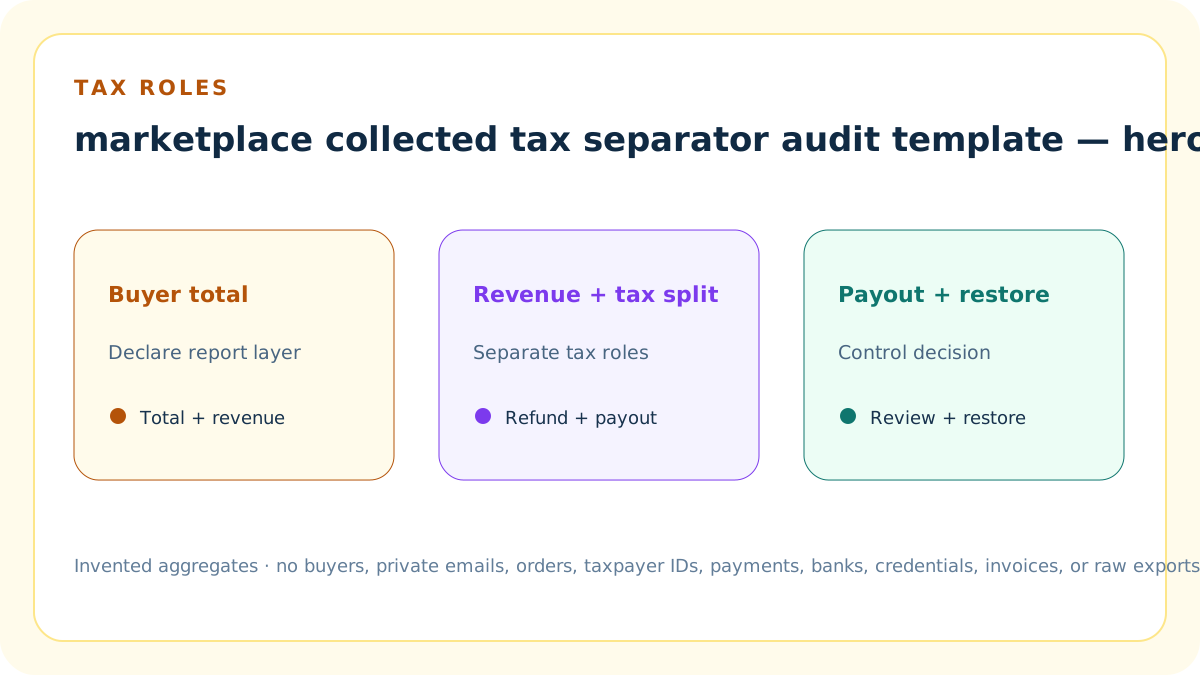
Record cohort
Record market, channel, currency, cohort dates, export version, buyer total, merchandise and shipping, marketplace and seller tax, remittance evidence, each refund layer, fee classes, signed adjustments, expected and actual payout, gap tolerance, source versions, conflicts, owner, reviewer, qualified-advice boundary, prior mapping, stop rule, and restoration test. Preserve prior mapping, new mapping, reason, source, approver, expected effect, realized variance, and rollback result. Checkpoint 1 in the tax audit packet records channel, market, cohort, export layout, tax roles, source version, owner, reviewer, and accepted formula before interpretation.
For record cohort, keep buyer total, merchandise and shipping, marketplace tax, seller tax, corresponding refunds, non-tax fees, adjustments, retained revenue, payout, target, conflict, backup, stop rule, and restoration separate.
Use invented or approved aggregates only. Exclude private emails, buyer identities, addresses, order rows, taxpayer IDs, account details, payment and bank records, credentials, private invoices, and raw exports from the public tax audit packet.
Record export layout
Record market, channel, currency, cohort dates, export version, buyer total, merchandise and shipping, marketplace and seller tax, remittance evidence, each refund layer, fee classes, signed adjustments, expected and actual payout, gap tolerance, source versions, conflicts, owner, reviewer, qualified-advice boundary, prior mapping, stop rule, and restoration test. Preserve prior mapping, new mapping, reason, source, approver, expected effect, realized variance, and rollback result. Checkpoint 2 in the tax audit packet records channel, market, cohort, export layout, tax roles, source version, owner, reviewer, and accepted formula before interpretation.
For record export layout, keep buyer total, merchandise and shipping, marketplace tax, seller tax, corresponding refunds, non-tax fees, adjustments, retained revenue, payout, target, conflict, backup, stop rule, and restoration separate.
Use invented or approved aggregates only. Exclude private emails, buyer identities, addresses, order rows, taxpayer IDs, account details, payment and bank records, credentials, private invoices, and raw exports from the public tax audit packet.
Record buyer total
Record market, channel, currency, cohort dates, export version, buyer total, merchandise and shipping, marketplace and seller tax, remittance evidence, each refund layer, fee classes, signed adjustments, expected and actual payout, gap tolerance, source versions, conflicts, owner, reviewer, qualified-advice boundary, prior mapping, stop rule, and restoration test. Preserve prior mapping, new mapping, reason, source, approver, expected effect, realized variance, and rollback result. Checkpoint 3 in the tax audit packet records channel, market, cohort, export layout, tax roles, source version, owner, reviewer, and accepted formula before interpretation.
For record buyer total, keep buyer total, merchandise and shipping, marketplace tax, seller tax, corresponding refunds, non-tax fees, adjustments, retained revenue, payout, target, conflict, backup, stop rule, and restoration separate.
Use invented or approved aggregates only. Exclude private emails, buyer identities, addresses, order rows, taxpayer IDs, account details, payment and bank records, credentials, private invoices, and raw exports from the public tax audit packet.
Record revenue
Record market, channel, currency, cohort dates, export version, buyer total, merchandise and shipping, marketplace and seller tax, remittance evidence, each refund layer, fee classes, signed adjustments, expected and actual payout, gap tolerance, source versions, conflicts, owner, reviewer, qualified-advice boundary, prior mapping, stop rule, and restoration test. Preserve prior mapping, new mapping, reason, source, approver, expected effect, realized variance, and rollback result. Checkpoint 4 in the tax audit packet records channel, market, cohort, export layout, tax roles, source version, owner, reviewer, and accepted formula before interpretation.
For record revenue, keep buyer total, merchandise and shipping, marketplace tax, seller tax, corresponding refunds, non-tax fees, adjustments, retained revenue, payout, target, conflict, backup, stop rule, and restoration separate.
Use invented or approved aggregates only. Exclude private emails, buyer identities, addresses, order rows, taxpayer IDs, account details, payment and bank records, credentials, private invoices, and raw exports from the public tax audit packet.
Record tax roles
Record market, channel, currency, cohort dates, export version, buyer total, merchandise and shipping, marketplace and seller tax, remittance evidence, each refund layer, fee classes, signed adjustments, expected and actual payout, gap tolerance, source versions, conflicts, owner, reviewer, qualified-advice boundary, prior mapping, stop rule, and restoration test. Preserve prior mapping, new mapping, reason, source, approver, expected effect, realized variance, and rollback result. Checkpoint 5 in the tax audit packet records channel, market, cohort, export layout, tax roles, source version, owner, reviewer, and accepted formula before interpretation.
For record tax roles, keep buyer total, merchandise and shipping, marketplace tax, seller tax, corresponding refunds, non-tax fees, adjustments, retained revenue, payout, target, conflict, backup, stop rule, and restoration separate.
Use invented or approved aggregates only. Exclude private emails, buyer identities, addresses, order rows, taxpayer IDs, account details, payment and bank records, credentials, private invoices, and raw exports from the public tax audit packet.
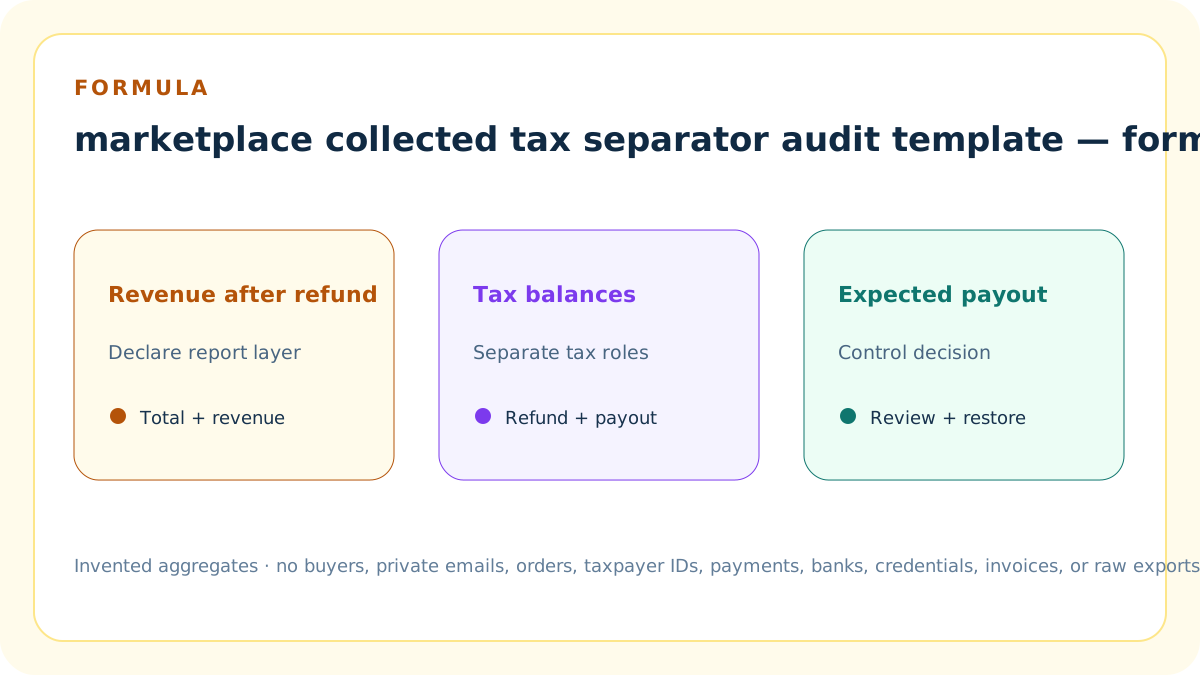
Record refund layers
Record market, channel, currency, cohort dates, export version, buyer total, merchandise and shipping, marketplace and seller tax, remittance evidence, each refund layer, fee classes, signed adjustments, expected and actual payout, gap tolerance, source versions, conflicts, owner, reviewer, qualified-advice boundary, prior mapping, stop rule, and restoration test. Preserve prior mapping, new mapping, reason, source, approver, expected effect, realized variance, and rollback result. Checkpoint 6 in the tax audit packet records channel, market, cohort, export layout, tax roles, source version, owner, reviewer, and accepted formula before interpretation.
For record refund layers, keep buyer total, merchandise and shipping, marketplace tax, seller tax, corresponding refunds, non-tax fees, adjustments, retained revenue, payout, target, conflict, backup, stop rule, and restoration separate.
Use invented or approved aggregates only. Exclude private emails, buyer identities, addresses, order rows, taxpayer IDs, account details, payment and bank records, credentials, private invoices, and raw exports from the public tax audit packet.
Record fees and adjustments
Record market, channel, currency, cohort dates, export version, buyer total, merchandise and shipping, marketplace and seller tax, remittance evidence, each refund layer, fee classes, signed adjustments, expected and actual payout, gap tolerance, source versions, conflicts, owner, reviewer, qualified-advice boundary, prior mapping, stop rule, and restoration test. Preserve prior mapping, new mapping, reason, source, approver, expected effect, realized variance, and rollback result. Checkpoint 7 in the tax audit packet records channel, market, cohort, export layout, tax roles, source version, owner, reviewer, and accepted formula before interpretation.
For record fees and adjustments, keep buyer total, merchandise and shipping, marketplace tax, seller tax, corresponding refunds, non-tax fees, adjustments, retained revenue, payout, target, conflict, backup, stop rule, and restoration separate.
Use invented or approved aggregates only. Exclude private emails, buyer identities, addresses, order rows, taxpayer IDs, account details, payment and bank records, credentials, private invoices, and raw exports from the public tax audit packet.
Record payout bridge
Record market, channel, currency, cohort dates, export version, buyer total, merchandise and shipping, marketplace and seller tax, remittance evidence, each refund layer, fee classes, signed adjustments, expected and actual payout, gap tolerance, source versions, conflicts, owner, reviewer, qualified-advice boundary, prior mapping, stop rule, and restoration test. Preserve prior mapping, new mapping, reason, source, approver, expected effect, realized variance, and rollback result. Checkpoint 8 in the tax audit packet records channel, market, cohort, export layout, tax roles, source version, owner, reviewer, and accepted formula before interpretation.
For record payout bridge, keep buyer total, merchandise and shipping, marketplace tax, seller tax, corresponding refunds, non-tax fees, adjustments, retained revenue, payout, target, conflict, backup, stop rule, and restoration separate.
Use invented or approved aggregates only. Exclude private emails, buyer identities, addresses, order rows, taxpayer IDs, account details, payment and bank records, credentials, private invoices, and raw exports from the public tax audit packet.
Record conflicts and review
Record market, channel, currency, cohort dates, export version, buyer total, merchandise and shipping, marketplace and seller tax, remittance evidence, each refund layer, fee classes, signed adjustments, expected and actual payout, gap tolerance, source versions, conflicts, owner, reviewer, qualified-advice boundary, prior mapping, stop rule, and restoration test. Preserve prior mapping, new mapping, reason, source, approver, expected effect, realized variance, and rollback result. Checkpoint 9 in the tax audit packet records channel, market, cohort, export layout, tax roles, source version, owner, reviewer, and accepted formula before interpretation.
For record conflicts and review, keep buyer total, merchandise and shipping, marketplace tax, seller tax, corresponding refunds, non-tax fees, adjustments, retained revenue, payout, target, conflict, backup, stop rule, and restoration separate.
Use invented or approved aggregates only. Exclude private emails, buyer identities, addresses, order rows, taxpayer IDs, account details, payment and bank records, credentials, private invoices, and raw exports from the public tax audit packet.
Record stop and restoration
Record market, channel, currency, cohort dates, export version, buyer total, merchandise and shipping, marketplace and seller tax, remittance evidence, each refund layer, fee classes, signed adjustments, expected and actual payout, gap tolerance, source versions, conflicts, owner, reviewer, qualified-advice boundary, prior mapping, stop rule, and restoration test. Preserve prior mapping, new mapping, reason, source, approver, expected effect, realized variance, and rollback result. Checkpoint 10 in the tax audit packet records channel, market, cohort, export layout, tax roles, source version, owner, reviewer, and accepted formula before interpretation.
For record stop and restoration, keep buyer total, merchandise and shipping, marketplace tax, seller tax, corresponding refunds, non-tax fees, adjustments, retained revenue, payout, target, conflict, backup, stop rule, and restoration separate.
Use invented or approved aggregates only. Exclude private emails, buyer identities, addresses, order rows, taxpayer IDs, account details, payment and bank records, credentials, private invoices, and raw exports from the public tax audit packet.
Record cohort: verification test 1
Create one synthetic counterexample for record cohort. Change one buyer-total, revenue, tax-role, refund, fee, adjustment, payout, flag, or threshold field; retain the prior packet; and show the order-total bridge, retained revenue, tax balances, expected payout, gap, and Block, Review, or Ready effect.
Reconcile the counterexample against first-party order, tax, refund, settlement, payout, remittance-marker, official-definition, source-version, owner, reviewer, protected-baseline, qualified-review, stop-trigger, and restored-result evidence.
Explain why the test does not determine taxability, nexus, registration, collection, remittance, filing, exemption, withholding, taxable income, accounting treatment, legal compliance, demand, conversion, or channel superiority.
Record export layout: verification test 2
Create one synthetic counterexample for record export layout. Change one buyer-total, revenue, tax-role, refund, fee, adjustment, payout, flag, or threshold field; retain the prior packet; and show the order-total bridge, retained revenue, tax balances, expected payout, gap, and Block, Review, or Ready effect.
Reconcile the counterexample against first-party order, tax, refund, settlement, payout, remittance-marker, official-definition, source-version, owner, reviewer, protected-baseline, qualified-review, stop-trigger, and restored-result evidence.
Explain why the test does not determine taxability, nexus, registration, collection, remittance, filing, exemption, withholding, taxable income, accounting treatment, legal compliance, demand, conversion, or channel superiority.
Record buyer total: verification test 3
Create one synthetic counterexample for record buyer total. Change one buyer-total, revenue, tax-role, refund, fee, adjustment, payout, flag, or threshold field; retain the prior packet; and show the order-total bridge, retained revenue, tax balances, expected payout, gap, and Block, Review, or Ready effect.
Reconcile the counterexample against first-party order, tax, refund, settlement, payout, remittance-marker, official-definition, source-version, owner, reviewer, protected-baseline, qualified-review, stop-trigger, and restored-result evidence.
Explain why the test does not determine taxability, nexus, registration, collection, remittance, filing, exemption, withholding, taxable income, accounting treatment, legal compliance, demand, conversion, or channel superiority.
Record revenue: verification test 4
Create one synthetic counterexample for record revenue. Change one buyer-total, revenue, tax-role, refund, fee, adjustment, payout, flag, or threshold field; retain the prior packet; and show the order-total bridge, retained revenue, tax balances, expected payout, gap, and Block, Review, or Ready effect.
Reconcile the counterexample against first-party order, tax, refund, settlement, payout, remittance-marker, official-definition, source-version, owner, reviewer, protected-baseline, qualified-review, stop-trigger, and restored-result evidence.
Explain why the test does not determine taxability, nexus, registration, collection, remittance, filing, exemption, withholding, taxable income, accounting treatment, legal compliance, demand, conversion, or channel superiority.
Record tax roles: verification test 5
Create one synthetic counterexample for record tax roles. Change one buyer-total, revenue, tax-role, refund, fee, adjustment, payout, flag, or threshold field; retain the prior packet; and show the order-total bridge, retained revenue, tax balances, expected payout, gap, and Block, Review, or Ready effect.
Reconcile the counterexample against first-party order, tax, refund, settlement, payout, remittance-marker, official-definition, source-version, owner, reviewer, protected-baseline, qualified-review, stop-trigger, and restored-result evidence.
Explain why the test does not determine taxability, nexus, registration, collection, remittance, filing, exemption, withholding, taxable income, accounting treatment, legal compliance, demand, conversion, or channel superiority.
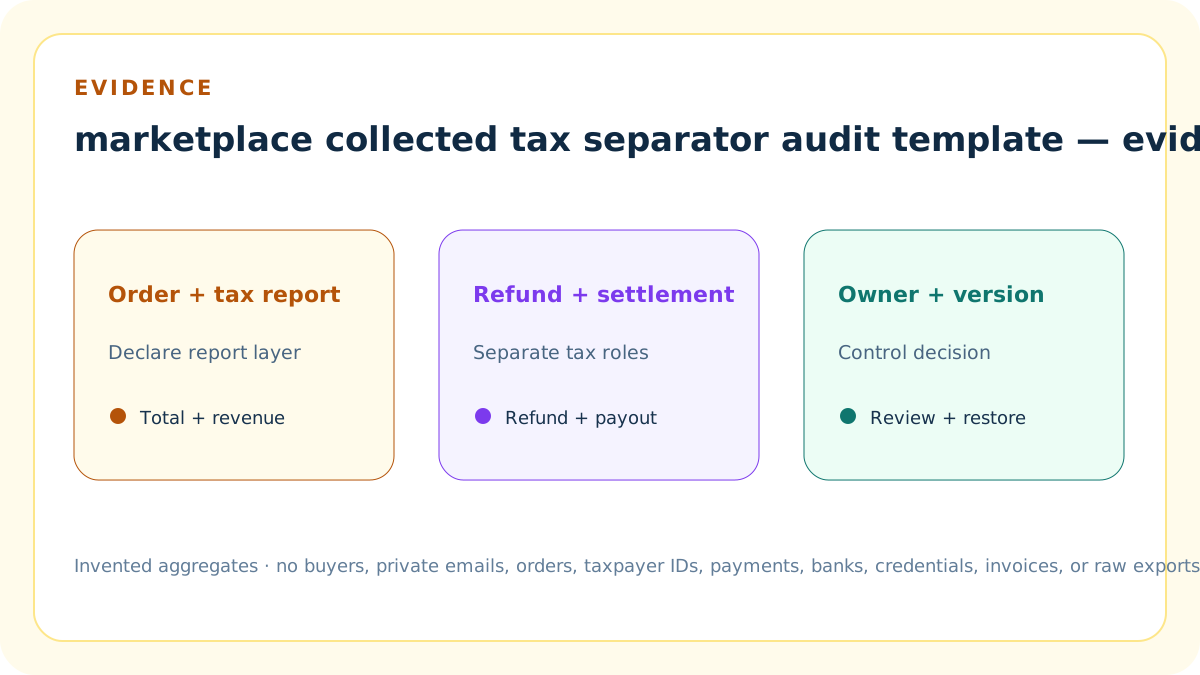
Record refund layers: verification test 6
Create one synthetic counterexample for record refund layers. Change one buyer-total, revenue, tax-role, refund, fee, adjustment, payout, flag, or threshold field; retain the prior packet; and show the order-total bridge, retained revenue, tax balances, expected payout, gap, and Block, Review, or Ready effect.
Reconcile the counterexample against first-party order, tax, refund, settlement, payout, remittance-marker, official-definition, source-version, owner, reviewer, protected-baseline, qualified-review, stop-trigger, and restored-result evidence.
Explain why the test does not determine taxability, nexus, registration, collection, remittance, filing, exemption, withholding, taxable income, accounting treatment, legal compliance, demand, conversion, or channel superiority.
Record fees and adjustments: verification test 7
Create one synthetic counterexample for record fees and adjustments. Change one buyer-total, revenue, tax-role, refund, fee, adjustment, payout, flag, or threshold field; retain the prior packet; and show the order-total bridge, retained revenue, tax balances, expected payout, gap, and Block, Review, or Ready effect.
Reconcile the counterexample against first-party order, tax, refund, settlement, payout, remittance-marker, official-definition, source-version, owner, reviewer, protected-baseline, qualified-review, stop-trigger, and restored-result evidence.
Explain why the test does not determine taxability, nexus, registration, collection, remittance, filing, exemption, withholding, taxable income, accounting treatment, legal compliance, demand, conversion, or channel superiority.
Record payout bridge: verification test 8
Create one synthetic counterexample for record payout bridge. Change one buyer-total, revenue, tax-role, refund, fee, adjustment, payout, flag, or threshold field; retain the prior packet; and show the order-total bridge, retained revenue, tax balances, expected payout, gap, and Block, Review, or Ready effect.
Reconcile the counterexample against first-party order, tax, refund, settlement, payout, remittance-marker, official-definition, source-version, owner, reviewer, protected-baseline, qualified-review, stop-trigger, and restored-result evidence.
Explain why the test does not determine taxability, nexus, registration, collection, remittance, filing, exemption, withholding, taxable income, accounting treatment, legal compliance, demand, conversion, or channel superiority.
Record conflicts and review: verification test 9
Create one synthetic counterexample for record conflicts and review. Change one buyer-total, revenue, tax-role, refund, fee, adjustment, payout, flag, or threshold field; retain the prior packet; and show the order-total bridge, retained revenue, tax balances, expected payout, gap, and Block, Review, or Ready effect.
Reconcile the counterexample against first-party order, tax, refund, settlement, payout, remittance-marker, official-definition, source-version, owner, reviewer, protected-baseline, qualified-review, stop-trigger, and restored-result evidence.
Explain why the test does not determine taxability, nexus, registration, collection, remittance, filing, exemption, withholding, taxable income, accounting treatment, legal compliance, demand, conversion, or channel superiority.
Record stop and restoration: verification test 10
Create one synthetic counterexample for record stop and restoration. Change one buyer-total, revenue, tax-role, refund, fee, adjustment, payout, flag, or threshold field; retain the prior packet; and show the order-total bridge, retained revenue, tax balances, expected payout, gap, and Block, Review, or Ready effect.
Reconcile the counterexample against first-party order, tax, refund, settlement, payout, remittance-marker, official-definition, source-version, owner, reviewer, protected-baseline, qualified-review, stop-trigger, and restored-result evidence.
Explain why the test does not determine taxability, nexus, registration, collection, remittance, filing, exemption, withholding, taxable income, accounting treatment, legal compliance, demand, conversion, or channel superiority.
Marketplace-Collected Tax Audit Template: evidence exercise 1
Reperform record cohort with invented tax-inclusive and separate-tax exports. Hold channel scope, currency, cohort dates, merchandise and shipping definition, refund maturity, fee classes, payout cutoff, rounding, and evidence controls constant where comparison requires them.
Archive the accepted packet before varying the field. Explain buyer-total reconciliation, retained revenue, net marketplace tax, net seller-tax liability, expected payout, actual payout, gap, decision, monitoring trigger, professional-review boundary, and restoration path.
The exercise remains educational and source-linked. It does not recommend tax settings, determine legal or accounting treatment, file or remit tax, access private records, or replace jurisdiction-, product-, channel-, entity-, registration-, contract-, tax-authority-, or qualified-professional review.
Marketplace-Collected Tax Audit Template: evidence exercise 2
Reperform record export layout with invented tax-inclusive and separate-tax exports. Hold channel scope, currency, cohort dates, merchandise and shipping definition, refund maturity, fee classes, payout cutoff, rounding, and evidence controls constant where comparison requires them.
Archive the accepted packet before varying the field. Explain buyer-total reconciliation, retained revenue, net marketplace tax, net seller-tax liability, expected payout, actual payout, gap, decision, monitoring trigger, professional-review boundary, and restoration path.
The exercise remains educational and source-linked. It does not recommend tax settings, determine legal or accounting treatment, file or remit tax, access private records, or replace jurisdiction-, product-, channel-, entity-, registration-, contract-, tax-authority-, or qualified-professional review.
Marketplace-Collected Tax Audit Template: evidence exercise 3
Reperform record buyer total with invented tax-inclusive and separate-tax exports. Hold channel scope, currency, cohort dates, merchandise and shipping definition, refund maturity, fee classes, payout cutoff, rounding, and evidence controls constant where comparison requires them.
Archive the accepted packet before varying the field. Explain buyer-total reconciliation, retained revenue, net marketplace tax, net seller-tax liability, expected payout, actual payout, gap, decision, monitoring trigger, professional-review boundary, and restoration path.
The exercise remains educational and source-linked. It does not recommend tax settings, determine legal or accounting treatment, file or remit tax, access private records, or replace jurisdiction-, product-, channel-, entity-, registration-, contract-, tax-authority-, or qualified-professional review.
Marketplace-Collected Tax Audit Template: evidence exercise 4
Reperform record revenue with invented tax-inclusive and separate-tax exports. Hold channel scope, currency, cohort dates, merchandise and shipping definition, refund maturity, fee classes, payout cutoff, rounding, and evidence controls constant where comparison requires them.
Archive the accepted packet before varying the field. Explain buyer-total reconciliation, retained revenue, net marketplace tax, net seller-tax liability, expected payout, actual payout, gap, decision, monitoring trigger, professional-review boundary, and restoration path.
The exercise remains educational and source-linked. It does not recommend tax settings, determine legal or accounting treatment, file or remit tax, access private records, or replace jurisdiction-, product-, channel-, entity-, registration-, contract-, tax-authority-, or qualified-professional review.
Marketplace-Collected Tax Audit Template: evidence exercise 5
Reperform record tax roles with invented tax-inclusive and separate-tax exports. Hold channel scope, currency, cohort dates, merchandise and shipping definition, refund maturity, fee classes, payout cutoff, rounding, and evidence controls constant where comparison requires them.
Archive the accepted packet before varying the field. Explain buyer-total reconciliation, retained revenue, net marketplace tax, net seller-tax liability, expected payout, actual payout, gap, decision, monitoring trigger, professional-review boundary, and restoration path.
The exercise remains educational and source-linked. It does not recommend tax settings, determine legal or accounting treatment, file or remit tax, access private records, or replace jurisdiction-, product-, channel-, entity-, registration-, contract-, tax-authority-, or qualified-professional review.
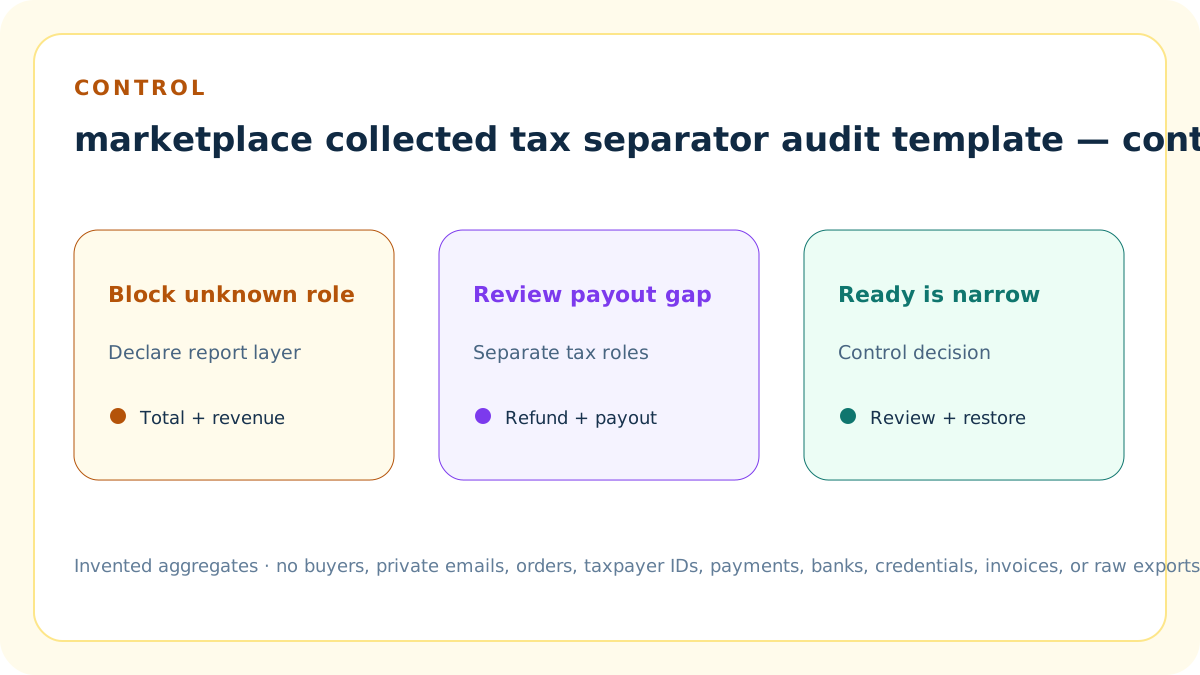
Marketplace-Collected Tax Audit Template: evidence exercise 6
Reperform record refund layers with invented tax-inclusive and separate-tax exports. Hold channel scope, currency, cohort dates, merchandise and shipping definition, refund maturity, fee classes, payout cutoff, rounding, and evidence controls constant where comparison requires them.
Archive the accepted packet before varying the field. Explain buyer-total reconciliation, retained revenue, net marketplace tax, net seller-tax liability, expected payout, actual payout, gap, decision, monitoring trigger, professional-review boundary, and restoration path.
The exercise remains educational and source-linked. It does not recommend tax settings, determine legal or accounting treatment, file or remit tax, access private records, or replace jurisdiction-, product-, channel-, entity-, registration-, contract-, tax-authority-, or qualified-professional review.
Marketplace-Collected Tax Audit Template: evidence exercise 7
Reperform record fees and adjustments with invented tax-inclusive and separate-tax exports. Hold channel scope, currency, cohort dates, merchandise and shipping definition, refund maturity, fee classes, payout cutoff, rounding, and evidence controls constant where comparison requires them.
Archive the accepted packet before varying the field. Explain buyer-total reconciliation, retained revenue, net marketplace tax, net seller-tax liability, expected payout, actual payout, gap, decision, monitoring trigger, professional-review boundary, and restoration path.
The exercise remains educational and source-linked. It does not recommend tax settings, determine legal or accounting treatment, file or remit tax, access private records, or replace jurisdiction-, product-, channel-, entity-, registration-, contract-, tax-authority-, or qualified-professional review.
Marketplace-Collected Tax Audit Template: evidence exercise 8
Reperform record payout bridge with invented tax-inclusive and separate-tax exports. Hold channel scope, currency, cohort dates, merchandise and shipping definition, refund maturity, fee classes, payout cutoff, rounding, and evidence controls constant where comparison requires them.
Archive the accepted packet before varying the field. Explain buyer-total reconciliation, retained revenue, net marketplace tax, net seller-tax liability, expected payout, actual payout, gap, decision, monitoring trigger, professional-review boundary, and restoration path.
The exercise remains educational and source-linked. It does not recommend tax settings, determine legal or accounting treatment, file or remit tax, access private records, or replace jurisdiction-, product-, channel-, entity-, registration-, contract-, tax-authority-, or qualified-professional review.
Marketplace-Collected Tax Audit Template: evidence exercise 9
Reperform record conflicts and review with invented tax-inclusive and separate-tax exports. Hold channel scope, currency, cohort dates, merchandise and shipping definition, refund maturity, fee classes, payout cutoff, rounding, and evidence controls constant where comparison requires them.
Archive the accepted packet before varying the field. Explain buyer-total reconciliation, retained revenue, net marketplace tax, net seller-tax liability, expected payout, actual payout, gap, decision, monitoring trigger, professional-review boundary, and restoration path.
The exercise remains educational and source-linked. It does not recommend tax settings, determine legal or accounting treatment, file or remit tax, access private records, or replace jurisdiction-, product-, channel-, entity-, registration-, contract-, tax-authority-, or qualified-professional review.
Marketplace-Collected Tax Audit Template: evidence exercise 10
Reperform record stop and restoration with invented tax-inclusive and separate-tax exports. Hold channel scope, currency, cohort dates, merchandise and shipping definition, refund maturity, fee classes, payout cutoff, rounding, and evidence controls constant where comparison requires them.
Archive the accepted packet before varying the field. Explain buyer-total reconciliation, retained revenue, net marketplace tax, net seller-tax liability, expected payout, actual payout, gap, decision, monitoring trigger, professional-review boundary, and restoration path.
The exercise remains educational and source-linked. It does not recommend tax settings, determine legal or accounting treatment, file or remit tax, access private records, or replace jurisdiction-, product-, channel-, entity-, registration-, contract-, tax-authority-, or qualified-professional review.
Sources and further reading
- Etsy Help: US State Sales Tax: Official marketplace-facilitator collection, remittance, Payment account, and buyer-tax reporting context.
- Etsy Help: Tax Laws Around the World: Official buyer tax, seller withholding, seller-fee tax, and government-reporting distinctions.
- Shopify Help: Sales tax in Shop: Official marketplace-tax payout, refund, finance-report, filing, and professional-review context.
- Shopify Help: Marketplace Connect imports: Official Withhold tax versus Send tax reporting behavior.
- TikTok Ads: Gross Revenue: Official customer-payment, sales-tax, platform-discount, and Gross Revenue bridge.
- Seller Profit Guard methodology: Evidence, privacy, calculation, review, correction, release, and restoration controls.
Related Seller Profit Guard tools
- Marketplace-Collected Tax Separator: Separate buyer-tax roles from retained revenue and payout.
- Payment Account Reconciliation: Rebuild a complete aggregate settlement bridge.
- Marketplace Fee Comparison Calculator: Keep non-tax fees separate from buyer tax.
- Sales Channel Contribution Calculator: Compare contribution after revenue normalization.
- Methodology: Review evidence, privacy, calculation, correction, release, and restoration.
- Data Privacy: Protect seller, buyer, email, order, payment, tax, bank, and raw-export data.
- Marketplace-Collected Tax Separation Formula and Inputs: Define buyer total, merchandise and shipping revenue, marketplace and seller tax roles, refunds, fees, adjustments, payout, evidence, and formulas.
- Tax-Inclusive Marketplace Export Example: Reperform an invented Etsy export with tax inside buyer total, then separate refunds, retained revenue, remitted tax, fees, adjustments, and payout.
- Separate-Tax Marketplace Export Example: Model a materially different Shopify export with separate seller-collected tax, refunds, liability cash, non-tax fees, and payout.
- Marketplace-Collected Tax Separation Mistakes: Diagnose buyer-total, tax-role, refund, fee, withholding, payout, report, timing, accounting, and interpretation errors.
- Reliable Marketplace Tax Reconciliation Sources: Map order totals, tax roles, remittance flags, refunds, fees, adjustments, payouts, ownership, review, and restoration to first-party evidence.
- Marketplace Tax Separation Decision Thresholds: Separate structural Block, payout Review, retained-revenue Review, narrow Ready, overrides, stop rules, monitoring, and restoration.
- Compare Tax-Inclusive and Separate-Tax Exports: Align cohort, currency, revenue, tax roles, refunds, fees, adjustments, payout cutoff, and report definitions before comparing retained revenue.
- Monthly Marketplace Tax Reconciliation Routine: Turn tax separation into a repeatable report, refund, settlement, payout, mapping, review, exception, monitoring, and restoration cadence.
- Interpret Marketplace Tax and Retained Revenue: Read buyer total, retained revenue, marketplace tax, seller liability, expected payout, and gap without false accounting or tax claims.
Next step: Open Seller Profit Guard.
This is operational planning help, not tax, accounting, legal, financial, or platform-policy advice. Review the Terms and disclaimer, and verify current platform rules and fee assumptions before changing prices.