What does a marketplace fee comparison result mean?
Last updated: 2026-08-09
Written and reviewed by Seller Profit Guard Editorial Team.
It estimates retained-order contribution under one declared packet. A positive left-minus-right difference favors the left input only under those assumptions. It does not predict sales volume, conversion, lifetime value, payout timing, tax, accounting income, customer behavior, or the universally best platform.
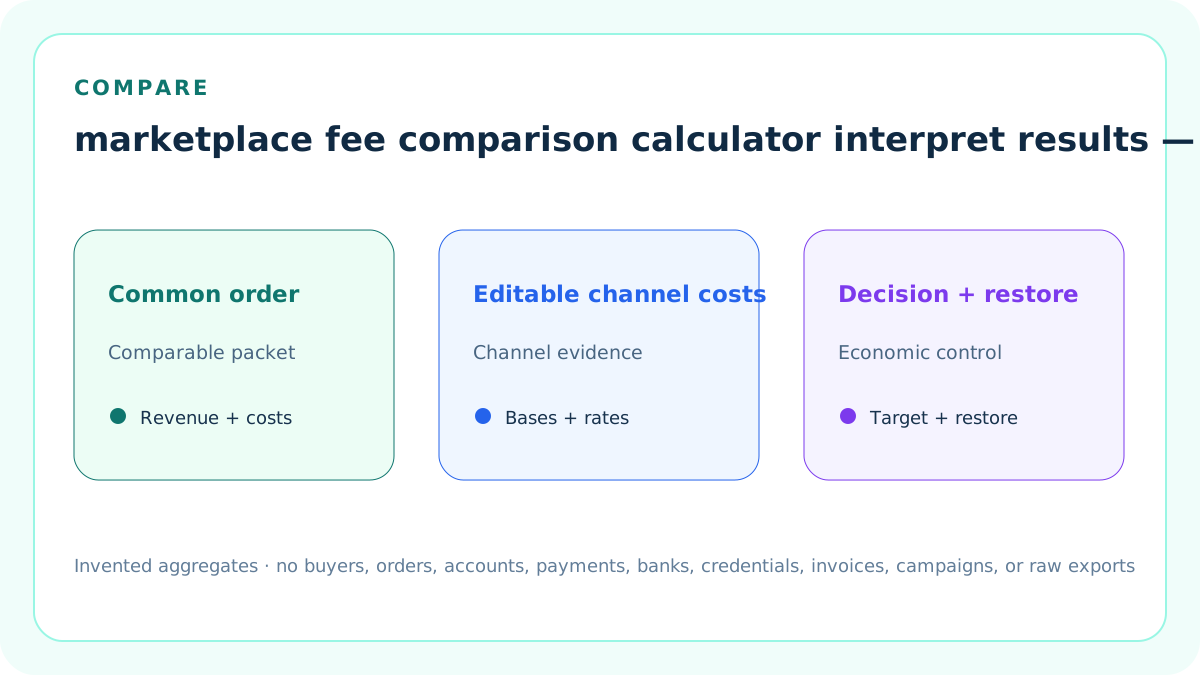
Read structural Block
It estimates retained-order contribution under one declared packet. A positive left-minus-right difference favors the left input only under those assumptions. It does not predict sales volume, conversion, lifetime value, payout timing, tax, accounting income, customer behavior, or the universally best platform. Separate contribution per retained order from volume, conversion, cash timing, payout, accounting, and tax. Checkpoint 1 in the comparison interpretation memo records market, currency, product, comparable revenue, evidence period, source version, owner, reviewer, and accepted calculation before the result is interpreted.
For read structural block, keep seller discount, verified platform funding, product cost, fulfillment, return reserve, marketplace fee base and rate, payment base and rate, commission, advertising, fixed allocation, target, conflict, backup, stop rule, and restoration as separate evidence fields.
Use approved aggregate or invented values only. Exclude buyer identities, emails, addresses, order rows, account IDs, payment details, bank records, credentials, invoices containing private data, and raw exports from the public comparison interpretation memo.
Read economic Review
It estimates retained-order contribution under one declared packet. A positive left-minus-right difference favors the left input only under those assumptions. It does not predict sales volume, conversion, lifetime value, payout timing, tax, accounting income, customer behavior, or the universally best platform. Separate contribution per retained order from volume, conversion, cash timing, payout, accounting, and tax. Checkpoint 2 in the comparison interpretation memo records market, currency, product, comparable revenue, evidence period, source version, owner, reviewer, and accepted calculation before the result is interpreted.
For read economic review, keep seller discount, verified platform funding, product cost, fulfillment, return reserve, marketplace fee base and rate, payment base and rate, commission, advertising, fixed allocation, target, conflict, backup, stop rule, and restoration as separate evidence fields.
Use approved aggregate or invented values only. Exclude buyer identities, emails, addresses, order rows, account IDs, payment details, bank records, credentials, invoices containing private data, and raw exports from the public comparison interpretation memo.
Read narrow Ready
It estimates retained-order contribution under one declared packet. A positive left-minus-right difference favors the left input only under those assumptions. It does not predict sales volume, conversion, lifetime value, payout timing, tax, accounting income, customer behavior, or the universally best platform. Separate contribution per retained order from volume, conversion, cash timing, payout, accounting, and tax. Checkpoint 3 in the comparison interpretation memo records market, currency, product, comparable revenue, evidence period, source version, owner, reviewer, and accepted calculation before the result is interpreted.
For read narrow ready, keep seller discount, verified platform funding, product cost, fulfillment, return reserve, marketplace fee base and rate, payment base and rate, commission, advertising, fixed allocation, target, conflict, backup, stop rule, and restoration as separate evidence fields.
Use approved aggregate or invented values only. Exclude buyer identities, emails, addresses, order rows, account IDs, payment details, bank records, credentials, invoices containing private data, and raw exports from the public comparison interpretation memo.
Read retained revenue
It estimates retained-order contribution under one declared packet. A positive left-minus-right difference favors the left input only under those assumptions. It does not predict sales volume, conversion, lifetime value, payout timing, tax, accounting income, customer behavior, or the universally best platform. Separate contribution per retained order from volume, conversion, cash timing, payout, accounting, and tax. Checkpoint 4 in the comparison interpretation memo records market, currency, product, comparable revenue, evidence period, source version, owner, reviewer, and accepted calculation before the result is interpreted.
For read retained revenue, keep seller discount, verified platform funding, product cost, fulfillment, return reserve, marketplace fee base and rate, payment base and rate, commission, advertising, fixed allocation, target, conflict, backup, stop rule, and restoration as separate evidence fields.
Use approved aggregate or invented values only. Exclude buyer identities, emails, addresses, order rows, account IDs, payment details, bank records, credentials, invoices containing private data, and raw exports from the public comparison interpretation memo.
Read channel cost
It estimates retained-order contribution under one declared packet. A positive left-minus-right difference favors the left input only under those assumptions. It does not predict sales volume, conversion, lifetime value, payout timing, tax, accounting income, customer behavior, or the universally best platform. Separate contribution per retained order from volume, conversion, cash timing, payout, accounting, and tax. Checkpoint 5 in the comparison interpretation memo records market, currency, product, comparable revenue, evidence period, source version, owner, reviewer, and accepted calculation before the result is interpreted.
For read channel cost, keep seller discount, verified platform funding, product cost, fulfillment, return reserve, marketplace fee base and rate, payment base and rate, commission, advertising, fixed allocation, target, conflict, backup, stop rule, and restoration as separate evidence fields.
Use approved aggregate or invented values only. Exclude buyer identities, emails, addresses, order rows, account IDs, payment details, bank records, credentials, invoices containing private data, and raw exports from the public comparison interpretation memo.
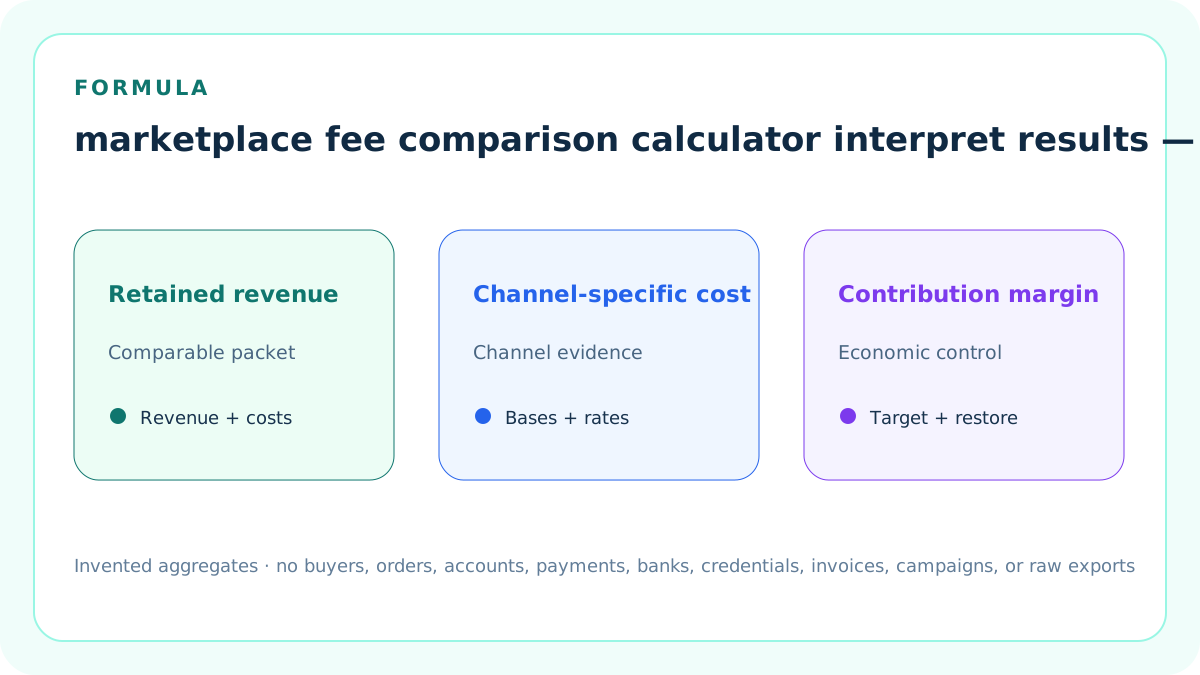
Read contribution
It estimates retained-order contribution under one declared packet. A positive left-minus-right difference favors the left input only under those assumptions. It does not predict sales volume, conversion, lifetime value, payout timing, tax, accounting income, customer behavior, or the universally best platform. Separate contribution per retained order from volume, conversion, cash timing, payout, accounting, and tax. Checkpoint 6 in the comparison interpretation memo records market, currency, product, comparable revenue, evidence period, source version, owner, reviewer, and accepted calculation before the result is interpreted.
For read contribution, keep seller discount, verified platform funding, product cost, fulfillment, return reserve, marketplace fee base and rate, payment base and rate, commission, advertising, fixed allocation, target, conflict, backup, stop rule, and restoration as separate evidence fields.
Use approved aggregate or invented values only. Exclude buyer identities, emails, addresses, order rows, account IDs, payment details, bank records, credentials, invoices containing private data, and raw exports from the public comparison interpretation memo.
Read contribution margin
It estimates retained-order contribution under one declared packet. A positive left-minus-right difference favors the left input only under those assumptions. It does not predict sales volume, conversion, lifetime value, payout timing, tax, accounting income, customer behavior, or the universally best platform. Separate contribution per retained order from volume, conversion, cash timing, payout, accounting, and tax. Checkpoint 7 in the comparison interpretation memo records market, currency, product, comparable revenue, evidence period, source version, owner, reviewer, and accepted calculation before the result is interpreted.
For read contribution margin, keep seller discount, verified platform funding, product cost, fulfillment, return reserve, marketplace fee base and rate, payment base and rate, commission, advertising, fixed allocation, target, conflict, backup, stop rule, and restoration as separate evidence fields.
Use approved aggregate or invented values only. Exclude buyer identities, emails, addresses, order rows, account IDs, payment details, bank records, credentials, invoices containing private data, and raw exports from the public comparison interpretation memo.
Read left-minus-right
It estimates retained-order contribution under one declared packet. A positive left-minus-right difference favors the left input only under those assumptions. It does not predict sales volume, conversion, lifetime value, payout timing, tax, accounting income, customer behavior, or the universally best platform. Separate contribution per retained order from volume, conversion, cash timing, payout, accounting, and tax. Checkpoint 8 in the comparison interpretation memo records market, currency, product, comparable revenue, evidence period, source version, owner, reviewer, and accepted calculation before the result is interpreted.
For read left-minus-right, keep seller discount, verified platform funding, product cost, fulfillment, return reserve, marketplace fee base and rate, payment base and rate, commission, advertising, fixed allocation, target, conflict, backup, stop rule, and restoration as separate evidence fields.
Use approved aggregate or invented values only. Exclude buyer identities, emails, addresses, order rows, account IDs, payment details, bank records, credentials, invoices containing private data, and raw exports from the public comparison interpretation memo.
Do not infer volume
It estimates retained-order contribution under one declared packet. A positive left-minus-right difference favors the left input only under those assumptions. It does not predict sales volume, conversion, lifetime value, payout timing, tax, accounting income, customer behavior, or the universally best platform. Separate contribution per retained order from volume, conversion, cash timing, payout, accounting, and tax. Checkpoint 9 in the comparison interpretation memo records market, currency, product, comparable revenue, evidence period, source version, owner, reviewer, and accepted calculation before the result is interpreted.
For do not infer volume, keep seller discount, verified platform funding, product cost, fulfillment, return reserve, marketplace fee base and rate, payment base and rate, commission, advertising, fixed allocation, target, conflict, backup, stop rule, and restoration as separate evidence fields.
Use approved aggregate or invented values only. Exclude buyer identities, emails, addresses, order rows, account IDs, payment details, bank records, credentials, invoices containing private data, and raw exports from the public comparison interpretation memo.
Choose next verification
It estimates retained-order contribution under one declared packet. A positive left-minus-right difference favors the left input only under those assumptions. It does not predict sales volume, conversion, lifetime value, payout timing, tax, accounting income, customer behavior, or the universally best platform. Separate contribution per retained order from volume, conversion, cash timing, payout, accounting, and tax. Checkpoint 10 in the comparison interpretation memo records market, currency, product, comparable revenue, evidence period, source version, owner, reviewer, and accepted calculation before the result is interpreted.
For choose next verification, keep seller discount, verified platform funding, product cost, fulfillment, return reserve, marketplace fee base and rate, payment base and rate, commission, advertising, fixed allocation, target, conflict, backup, stop rule, and restoration as separate evidence fields.
Use approved aggregate or invented values only. Exclude buyer identities, emails, addresses, order rows, account IDs, payment details, bank records, credentials, invoices containing private data, and raw exports from the public comparison interpretation memo.
Read structural Block: verification test 1
Create one synthetic counterexample for read structural block. Change a single fee base, rate, fixed charge, funding, payment, commission, advertising, return, allocation, or target field, retain the prior packet, and show the retained-revenue, channel-cost, contribution, margin, difference, and Block, Review, or Ready effect.
Reconcile the counterexample against current official definitions, applicable account or contract evidence, payment statements, verified funding and advertising reports, commission records, seller cost ledgers, a mature return cohort, target approval, owner, reviewer, protected baseline, stop trigger, and restored result.
Explain why the test does not prove demand, conversion, lifetime value, payout timing, tax, accounting income, or marketplace superiority. Document any excluded cost that could reverse the conclusion.
Read economic Review: verification test 2
Create one synthetic counterexample for read economic review. Change a single fee base, rate, fixed charge, funding, payment, commission, advertising, return, allocation, or target field, retain the prior packet, and show the retained-revenue, channel-cost, contribution, margin, difference, and Block, Review, or Ready effect.
Reconcile the counterexample against current official definitions, applicable account or contract evidence, payment statements, verified funding and advertising reports, commission records, seller cost ledgers, a mature return cohort, target approval, owner, reviewer, protected baseline, stop trigger, and restored result.
Explain why the test does not prove demand, conversion, lifetime value, payout timing, tax, accounting income, or marketplace superiority. Document any excluded cost that could reverse the conclusion.
Read narrow Ready: verification test 3
Create one synthetic counterexample for read narrow ready. Change a single fee base, rate, fixed charge, funding, payment, commission, advertising, return, allocation, or target field, retain the prior packet, and show the retained-revenue, channel-cost, contribution, margin, difference, and Block, Review, or Ready effect.
Reconcile the counterexample against current official definitions, applicable account or contract evidence, payment statements, verified funding and advertising reports, commission records, seller cost ledgers, a mature return cohort, target approval, owner, reviewer, protected baseline, stop trigger, and restored result.
Explain why the test does not prove demand, conversion, lifetime value, payout timing, tax, accounting income, or marketplace superiority. Document any excluded cost that could reverse the conclusion.
Read retained revenue: verification test 4
Create one synthetic counterexample for read retained revenue. Change a single fee base, rate, fixed charge, funding, payment, commission, advertising, return, allocation, or target field, retain the prior packet, and show the retained-revenue, channel-cost, contribution, margin, difference, and Block, Review, or Ready effect.
Reconcile the counterexample against current official definitions, applicable account or contract evidence, payment statements, verified funding and advertising reports, commission records, seller cost ledgers, a mature return cohort, target approval, owner, reviewer, protected baseline, stop trigger, and restored result.
Explain why the test does not prove demand, conversion, lifetime value, payout timing, tax, accounting income, or marketplace superiority. Document any excluded cost that could reverse the conclusion.
Read channel cost: verification test 5
Create one synthetic counterexample for read channel cost. Change a single fee base, rate, fixed charge, funding, payment, commission, advertising, return, allocation, or target field, retain the prior packet, and show the retained-revenue, channel-cost, contribution, margin, difference, and Block, Review, or Ready effect.
Reconcile the counterexample against current official definitions, applicable account or contract evidence, payment statements, verified funding and advertising reports, commission records, seller cost ledgers, a mature return cohort, target approval, owner, reviewer, protected baseline, stop trigger, and restored result.
Explain why the test does not prove demand, conversion, lifetime value, payout timing, tax, accounting income, or marketplace superiority. Document any excluded cost that could reverse the conclusion.
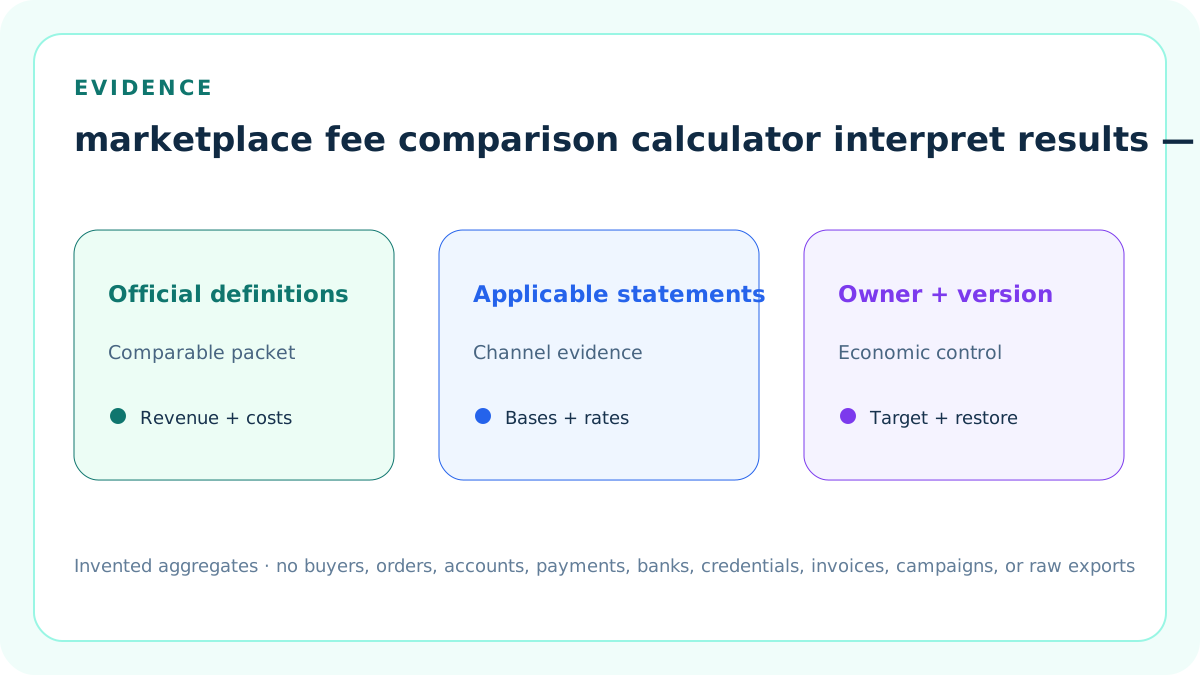
Read contribution: verification test 6
Create one synthetic counterexample for read contribution. Change a single fee base, rate, fixed charge, funding, payment, commission, advertising, return, allocation, or target field, retain the prior packet, and show the retained-revenue, channel-cost, contribution, margin, difference, and Block, Review, or Ready effect.
Reconcile the counterexample against current official definitions, applicable account or contract evidence, payment statements, verified funding and advertising reports, commission records, seller cost ledgers, a mature return cohort, target approval, owner, reviewer, protected baseline, stop trigger, and restored result.
Explain why the test does not prove demand, conversion, lifetime value, payout timing, tax, accounting income, or marketplace superiority. Document any excluded cost that could reverse the conclusion.
Read contribution margin: verification test 7
Create one synthetic counterexample for read contribution margin. Change a single fee base, rate, fixed charge, funding, payment, commission, advertising, return, allocation, or target field, retain the prior packet, and show the retained-revenue, channel-cost, contribution, margin, difference, and Block, Review, or Ready effect.
Reconcile the counterexample against current official definitions, applicable account or contract evidence, payment statements, verified funding and advertising reports, commission records, seller cost ledgers, a mature return cohort, target approval, owner, reviewer, protected baseline, stop trigger, and restored result.
Explain why the test does not prove demand, conversion, lifetime value, payout timing, tax, accounting income, or marketplace superiority. Document any excluded cost that could reverse the conclusion.
Read left-minus-right: verification test 8
Create one synthetic counterexample for read left-minus-right. Change a single fee base, rate, fixed charge, funding, payment, commission, advertising, return, allocation, or target field, retain the prior packet, and show the retained-revenue, channel-cost, contribution, margin, difference, and Block, Review, or Ready effect.
Reconcile the counterexample against current official definitions, applicable account or contract evidence, payment statements, verified funding and advertising reports, commission records, seller cost ledgers, a mature return cohort, target approval, owner, reviewer, protected baseline, stop trigger, and restored result.
Explain why the test does not prove demand, conversion, lifetime value, payout timing, tax, accounting income, or marketplace superiority. Document any excluded cost that could reverse the conclusion.
Do not infer volume: verification test 9
Create one synthetic counterexample for do not infer volume. Change a single fee base, rate, fixed charge, funding, payment, commission, advertising, return, allocation, or target field, retain the prior packet, and show the retained-revenue, channel-cost, contribution, margin, difference, and Block, Review, or Ready effect.
Reconcile the counterexample against current official definitions, applicable account or contract evidence, payment statements, verified funding and advertising reports, commission records, seller cost ledgers, a mature return cohort, target approval, owner, reviewer, protected baseline, stop trigger, and restored result.
Explain why the test does not prove demand, conversion, lifetime value, payout timing, tax, accounting income, or marketplace superiority. Document any excluded cost that could reverse the conclusion.
Choose next verification: verification test 10
Create one synthetic counterexample for choose next verification. Change a single fee base, rate, fixed charge, funding, payment, commission, advertising, return, allocation, or target field, retain the prior packet, and show the retained-revenue, channel-cost, contribution, margin, difference, and Block, Review, or Ready effect.
Reconcile the counterexample against current official definitions, applicable account or contract evidence, payment statements, verified funding and advertising reports, commission records, seller cost ledgers, a mature return cohort, target approval, owner, reviewer, protected baseline, stop trigger, and restored result.
Explain why the test does not prove demand, conversion, lifetime value, payout timing, tax, accounting income, or marketplace superiority. Document any excluded cost that could reverse the conclusion.
Interpret Marketplace Fee Comparison Results: evidence exercise 1
Reperform read structural block with invented Etsy, Shopify, and TikTok Shop packets. Hold product, currency, comparable customer revenue, evidence dates, common seller costs, return maturity, contribution target, and evidence controls constant, then isolate one declared channel difference.
Archive the accepted version before varying the field. Explain the resulting marketplace fee, payment or other fee, commission, advertising, allocated fixed cost, contribution, margin, left-minus-right difference, decision, monitoring trigger, and restoration path.
The exercise remains educational and source-linked. It does not hardcode a universal current rate, recommend a platform, approve an account change, or replace market-, category-, plan-, payment-, campaign-, contract-, tax-, or accounting-specific review.
Interpret Marketplace Fee Comparison Results: evidence exercise 2
Reperform read economic review with invented Etsy, Shopify, and TikTok Shop packets. Hold product, currency, comparable customer revenue, evidence dates, common seller costs, return maturity, contribution target, and evidence controls constant, then isolate one declared channel difference.
Archive the accepted version before varying the field. Explain the resulting marketplace fee, payment or other fee, commission, advertising, allocated fixed cost, contribution, margin, left-minus-right difference, decision, monitoring trigger, and restoration path.
The exercise remains educational and source-linked. It does not hardcode a universal current rate, recommend a platform, approve an account change, or replace market-, category-, plan-, payment-, campaign-, contract-, tax-, or accounting-specific review.
Interpret Marketplace Fee Comparison Results: evidence exercise 3
Reperform read narrow ready with invented Etsy, Shopify, and TikTok Shop packets. Hold product, currency, comparable customer revenue, evidence dates, common seller costs, return maturity, contribution target, and evidence controls constant, then isolate one declared channel difference.
Archive the accepted version before varying the field. Explain the resulting marketplace fee, payment or other fee, commission, advertising, allocated fixed cost, contribution, margin, left-minus-right difference, decision, monitoring trigger, and restoration path.
The exercise remains educational and source-linked. It does not hardcode a universal current rate, recommend a platform, approve an account change, or replace market-, category-, plan-, payment-, campaign-, contract-, tax-, or accounting-specific review.
Interpret Marketplace Fee Comparison Results: evidence exercise 4
Reperform read retained revenue with invented Etsy, Shopify, and TikTok Shop packets. Hold product, currency, comparable customer revenue, evidence dates, common seller costs, return maturity, contribution target, and evidence controls constant, then isolate one declared channel difference.
Archive the accepted version before varying the field. Explain the resulting marketplace fee, payment or other fee, commission, advertising, allocated fixed cost, contribution, margin, left-minus-right difference, decision, monitoring trigger, and restoration path.
The exercise remains educational and source-linked. It does not hardcode a universal current rate, recommend a platform, approve an account change, or replace market-, category-, plan-, payment-, campaign-, contract-, tax-, or accounting-specific review.
Interpret Marketplace Fee Comparison Results: evidence exercise 5
Reperform read channel cost with invented Etsy, Shopify, and TikTok Shop packets. Hold product, currency, comparable customer revenue, evidence dates, common seller costs, return maturity, contribution target, and evidence controls constant, then isolate one declared channel difference.
Archive the accepted version before varying the field. Explain the resulting marketplace fee, payment or other fee, commission, advertising, allocated fixed cost, contribution, margin, left-minus-right difference, decision, monitoring trigger, and restoration path.
The exercise remains educational and source-linked. It does not hardcode a universal current rate, recommend a platform, approve an account change, or replace market-, category-, plan-, payment-, campaign-, contract-, tax-, or accounting-specific review.
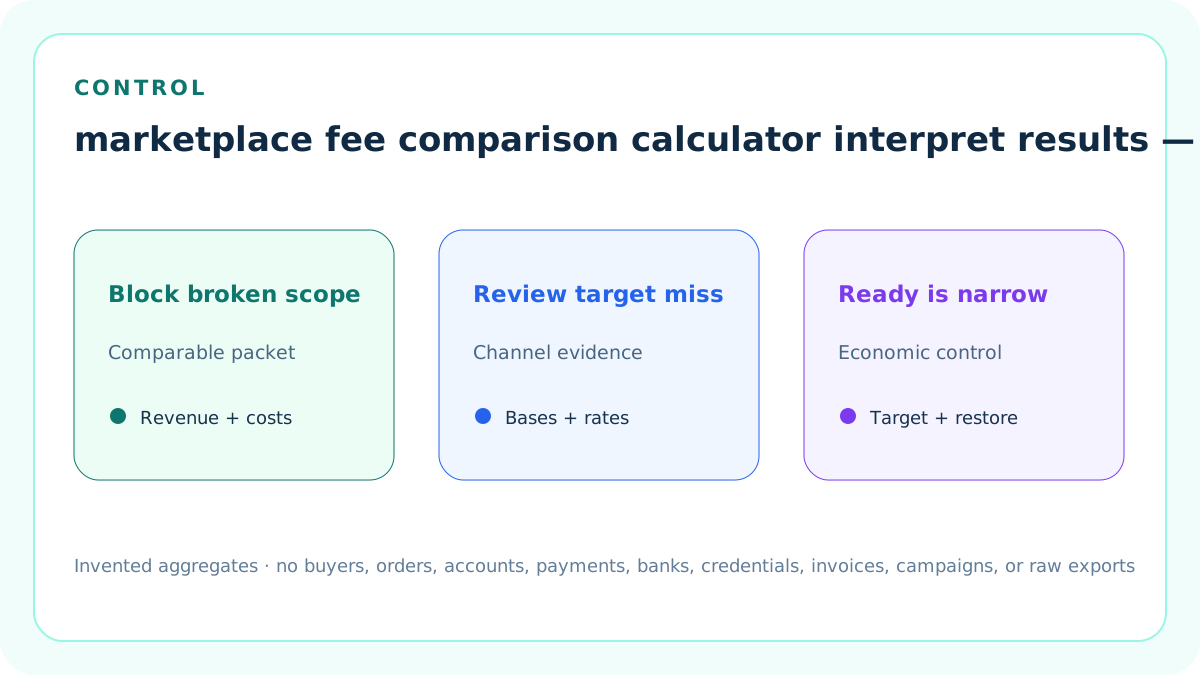
Interpret Marketplace Fee Comparison Results: evidence exercise 6
Reperform read contribution with invented Etsy, Shopify, and TikTok Shop packets. Hold product, currency, comparable customer revenue, evidence dates, common seller costs, return maturity, contribution target, and evidence controls constant, then isolate one declared channel difference.
Archive the accepted version before varying the field. Explain the resulting marketplace fee, payment or other fee, commission, advertising, allocated fixed cost, contribution, margin, left-minus-right difference, decision, monitoring trigger, and restoration path.
The exercise remains educational and source-linked. It does not hardcode a universal current rate, recommend a platform, approve an account change, or replace market-, category-, plan-, payment-, campaign-, contract-, tax-, or accounting-specific review.
Interpret Marketplace Fee Comparison Results: evidence exercise 7
Reperform read contribution margin with invented Etsy, Shopify, and TikTok Shop packets. Hold product, currency, comparable customer revenue, evidence dates, common seller costs, return maturity, contribution target, and evidence controls constant, then isolate one declared channel difference.
Archive the accepted version before varying the field. Explain the resulting marketplace fee, payment or other fee, commission, advertising, allocated fixed cost, contribution, margin, left-minus-right difference, decision, monitoring trigger, and restoration path.
The exercise remains educational and source-linked. It does not hardcode a universal current rate, recommend a platform, approve an account change, or replace market-, category-, plan-, payment-, campaign-, contract-, tax-, or accounting-specific review.
Interpret Marketplace Fee Comparison Results: evidence exercise 8
Reperform read left-minus-right with invented Etsy, Shopify, and TikTok Shop packets. Hold product, currency, comparable customer revenue, evidence dates, common seller costs, return maturity, contribution target, and evidence controls constant, then isolate one declared channel difference.
Archive the accepted version before varying the field. Explain the resulting marketplace fee, payment or other fee, commission, advertising, allocated fixed cost, contribution, margin, left-minus-right difference, decision, monitoring trigger, and restoration path.
The exercise remains educational and source-linked. It does not hardcode a universal current rate, recommend a platform, approve an account change, or replace market-, category-, plan-, payment-, campaign-, contract-, tax-, or accounting-specific review.
Interpret Marketplace Fee Comparison Results: evidence exercise 9
Reperform do not infer volume with invented Etsy, Shopify, and TikTok Shop packets. Hold product, currency, comparable customer revenue, evidence dates, common seller costs, return maturity, contribution target, and evidence controls constant, then isolate one declared channel difference.
Archive the accepted version before varying the field. Explain the resulting marketplace fee, payment or other fee, commission, advertising, allocated fixed cost, contribution, margin, left-minus-right difference, decision, monitoring trigger, and restoration path.
The exercise remains educational and source-linked. It does not hardcode a universal current rate, recommend a platform, approve an account change, or replace market-, category-, plan-, payment-, campaign-, contract-, tax-, or accounting-specific review.
Interpret Marketplace Fee Comparison Results: evidence exercise 10
Reperform choose next verification with invented Etsy, Shopify, and TikTok Shop packets. Hold product, currency, comparable customer revenue, evidence dates, common seller costs, return maturity, contribution target, and evidence controls constant, then isolate one declared channel difference.
Archive the accepted version before varying the field. Explain the resulting marketplace fee, payment or other fee, commission, advertising, allocated fixed cost, contribution, margin, left-minus-right difference, decision, monitoring trigger, and restoration path.
The exercise remains educational and source-linked. It does not hardcode a universal current rate, recommend a platform, approve an account change, or replace market-, category-, plan-, payment-, campaign-, contract-, tax-, or accounting-specific review.
Interpret contribution per retained order narrowly
The result estimates contribution for the declared retained-order packet after common seller costs and channel-specific fees. A positive left-minus-right value favors the left input only under those assumptions and at that allocation denominator.
It does not measure demand, conversion, volume, customer lifetime value, payout timing, working capital, tax, accounting income, brand value, or the universally best marketplace. Model those questions separately.
Use confirmation coverage as an evidence label
Nine of nine shared confirmations plus both pair confirmations are required before derived economics remain visible. Eight of nine preserves the diagnostic packet but quarantines the 37 calculated values even when the missing control appears operational rather than mathematical.
Repair the named control and rerun the exact version. Do not manually reconstruct or unmask the blocked contribution difference outside the audit trail.
Sources and further reading
- Etsy Help: seller fees and taxes: Official Etsy listing, transaction, payment, advertising, conversion, regulatory, and other seller-fee categories.
- Shopify Help: types of charges: Official Shopify billing categories including subscription, apps, shipping, and transaction charges.
- Shopify Help: payments and fees: Official payment-processing, third-party transaction, and currency-conversion context.
- Shopify Help: third-party providers: Official context for third-party payment-provider configuration and charges.
- Shopify Help: Shopify Payments fees: Official plan-dependent Shopify Payments, third-party provider, and transaction-fee boundaries.
- TikTok Ads: Gross Revenue for Shop Ads: Official Gross Revenue bridge and Shop Ads ROAS definition.
- TikTok Ads: Shop Ads reporting: Official Shop Ads reporting and attribution context.
- TikTok Ads: affiliate creatives: Official affiliate authorization, commission, ad-attribution, and Ads x Affiliate reporting context.
- Seller Profit Guard methodology: Evidence, privacy, calculation, review, monitoring, correction, and restoration controls.
Related Seller Profit Guard tools
- Marketplace Fee Comparison Calculator: Run two editable retained-order channel comparisons.
- Etsy Fee Reference: Model source-linked Etsy fee assumptions.
- Shopify Plan and Fee Reference: Allocate Shopify plan, payment, transaction, and app charges.
- TikTok Shop Fee Reference Calculator: Reconcile platform and creator charges.
- Methodology: Review evidence, privacy, calculation, release, correction, and restoration.
- Data Privacy: Protect seller, buyer, order, payment, campaign, bank, and raw export data.
- Marketplace Fee Comparison Formula and Inputs: Build a comparable retained-order fee packet with editable bases, rates, funding, common costs, channel costs, target, evidence, and restoration.
- Etsy vs Shopify Fee Comparison Example: Reperform an invented handmade-order packet through editable Etsy and Shopify fees, retained contribution, margin, decision, and rollback.
- Shopify vs TikTok Shop Fee Comparison Example: Model a creator-led order with platform funding, payment cost, marketplace fee, commission, ads, fixed allocation, and a contribution target.
- Marketplace Fee Comparison Mistakes: Diagnose mismatched revenue, fee bases, plans, markets, funding, payments, commission, ads, fixed allocation, returns, and denominators.
- Marketplace Fee Comparison Data Sources: Map fee pages, contracts, invoices, payment statements, platform reports, seller ledgers, return cohorts, targets, ownership, and restoration.
- Marketplace Fee Comparison Thresholds: Separate structural Block, economic Review, narrow Ready, override authority, monitoring, stop rules, and tested restoration.
- Compare Marketplace Fee Scenarios Fairly: Hold the common order constant while isolating market, plan, payment, funding, commission, advertising, fulfillment, return, or volume differences.
- Monthly Marketplace Fee Review Routine: Turn the calculator into a repeatable source-refresh, invoice, payment, funding, advertising, return, allocation, review, exception, and rollback cadence.
- Marketplace Fee Comparison Audit Template: Preserve scope, sources, bases, rates, costs, formula, target, result, owner, review, exception, backup, stop, and restoration.
Next step: Open Seller Profit Guard.
This is operational planning help, not tax, accounting, legal, financial, or platform-policy advice. Review the Terms and disclaimer, and verify current platform rules and fee assumptions before changing prices.